6 Game-Changing Ways To Streamline Your Seasonal Candidate Screening Process

Seasonal hiring floods your inbox with hundreds of applications in days, not weeks, while your team scrambles to coordinate phone screens, compare candidates, and fill roles before competitors snag your best talent.
The pressure to move fast often means choosing between speed and quality, burning out your recruiters, or watching qualified candidates accept other offers while you're still scheduling interviews.
Streamlining candidate screening means removing coordination bottlenecks, automating initial evaluation, and giving your team tools that scale without adding headcount or hours.
This guide walks through six proven strategies—from workforce planning and knockout criteria to one-way video interviews and performance metrics—that help you screen faster, maintain quality, and keep candidates engaged throughout high-volume hiring periods.
The Seasonal Screening Challenge Explained
Seasonal hiring compresses a normally multi-week process into just days while you're evaluating hundreds or thousands of candidates at once. You're balancing tight deadlines, limited recruiter capacity, and the constant risk of losing top talent to competitors who move faster.
Technology like applicant tracking systems (ATS) with automated resume parsing, AI screening tools, and one-way video interviews removes manual coordination, standardizes evaluation, and speeds up decisions without losing insight into who candidates really are.
Manual hiring bottlenecks are where the typical seasonal workflow falls apart. Phone screens turn into scheduling nightmares when you're trying to reach 50 candidates in a day. Manual resume reviews eat up hours you could spend on strategic work. Slow communication causes drop-off, especially for in-demand roles where candidates are juggling multiple offers.
A two-day delay in your initial response can mean your best candidates accept offers elsewhere. Overwhelmed recruiters start making inconsistent decisions that hurt both quality and fairness.
Forecast Staffing Peaks Before Applications Flood In

Workforce planning means figuring out exactly how many people you'll hire, which roles matter most, and when decisions are due before applications start arriving. When you map this out early, you eliminate the reactive scrambling that slows teams down and creates mistakes.
1. Analyze Last Season’s Hiring Data
Pull up metrics from your previous seasonal cycle to spot patterns. Look at how many applications came in each week, how long it took to contact candidates after they applied, what percentage moved through each screening stage, and where people dropped out. You might discover you were understaffed during peak weeks, certain screening steps caused delays, or specific roles took longer to fill than expected.
2. Align Headcount With Demand Forecasts
Connect your business projections directly to hiring targets. If your retail stores expect 30% more sales during the holidays, translate that into how many associates each location needs and how much screening capacity you'll require to deliver those hires on time. Clear targets prevent last-minute panic hiring and help you allocate recruiter time where it matters.
3. Map Critical Roles And Start Dates
Prioritize positions based on business impact and training time. A warehouse supervisor who needs two weeks of training before peak season starts requires earlier screening than a temporary packer who can onboard in two days. Build a hiring calendar that sequences your efforts so critical roles fill first, and you're not rushing to train everyone at once.
Lock In Knockout Criteria To Filter Faster
Knockout criteria are non-negotiable requirements that automatically filter out unqualified candidates before human review. When you separate absolute must-haves from nice-to-haves, you create clear pass/fail rules that speed decisions and reduce bias by applying identical standards to every applicant.
The math here is simple. Screening 500 candidates manually takes days. Reviewing 100 pre-qualified ones takes hours. Clear knockout criteria act as your first filter, removing people who can't do the job before they consume recruiter time.
1. Define Must-Have Skills And Certifications
List the essential qualifications that make someone capable of performing the role. For a seasonal delivery driver, this might include a valid license, clean driving record, and ability to lift 50 pounds. For a holiday retail associate, it could be weekend availability and six months of customer service experience. Keep this list short and focused on true requirements, not preferences that people can develop on the job.
2. Add Yes Or No Application Questions
Embed binary screening questions directly into your application form to automatically filter candidates based on knockout criteria. Binary means questions with clear yes/no answers, not subjective ratings.
Effective knockout questions for different seasonal roles:
- Retail: Are you available to work nights, weekends, and holidays? Do you have at least six months of point-of-sale experience?
- Hospitality: Do you have a valid food handler card? Can you stand for 8-hour shifts and lift 25 pounds?
- Warehouse: Are you certified to operate a forklift? Can you work 10-hour shifts and pass a basic safety test?
- Call center: Can you work evening and weekend shifts? Do you have a quiet home workspace with reliable internet?
The key is making questions specific, job-relevant, and genuinely disqualifying. Asking about "strong communication skills" is subjective and unhelpful. Asking "Can you work the required schedule?" is objective and actionable.
Automate Resume Parsing And Skills Tests
Technology evaluates initial candidates faster and more consistently than manual review, freeing your team to focus on qualified applicants who warrant deeper assessment. Combining automated resume screening with brief skills tests validates both credentials and capabilities before you invest human time.
1. Enable ATS Keyword Filters
Configure your applicant tracking system to automatically score resumes based on relevant keywords, required credentials, location preferences, and experience thresholds.
Modern ATS platforms use parsing algorithms to extract structured data from resumes (job titles, employers, dates, education, certifications) and compare it against your criteria. This creates consistent evaluation across hundreds of applications and surfaces the most qualified candidates for review.
Set realistic keyword targets that reflect actual job requirements rather than wish lists. If you're hiring seasonal warehouse workers, filtering for "forklift certification" and "inventory management" makes sense. Requiring "Six Sigma" or "supply chain optimization" eliminates qualified candidates unnecessarily.
2. Deploy Timed Micro Assessments
Use brief, role-specific skills tests (5 to 10 minutes) to validate core capabilities before advancing candidates to interviews. A retail associate might complete a simulated customer interaction scenario. A data entry temp completes a typing speed and accuracy test. You're confirming candidates can actually perform key tasks rather than just claim experience on a resume.
Keep assessments mobile-friendly and respectful of candidate time. Seasonal applicants often apply from their phones during breaks or commutes, so lengthy or desktop-only tests create unnecessary barriers and reduce completion rates.
Replace Phone Screens With One-Way Video Interviews
One-way video interviews (also called asynchronous video interviews) let candidates record responses to your questions on their own schedule while your team reviews submissions whenever convenient. This eliminates the scheduling coordination that bottlenecks high-volume screening while providing richer insights than resumes or phone calls.
Instead of playing phone tag with dozens of applicants, you send a video interview link, candidates record responses on their time, and your team reviews whenever it fits their calendar. While you're reviewing one candidate's video, ten others are recording theirs. No coordination required.
1. Send Interview Links Immediately After Apply
Trigger one-way video interview invitations automatically when candidates submit applications or pass initial screening filters. Immediate outreach maintains momentum and engagement while candidates are most interested in your opportunity. Use standardized question sets aligned to knockout criteria and role requirements to ensure consistent evaluation across all applicants.
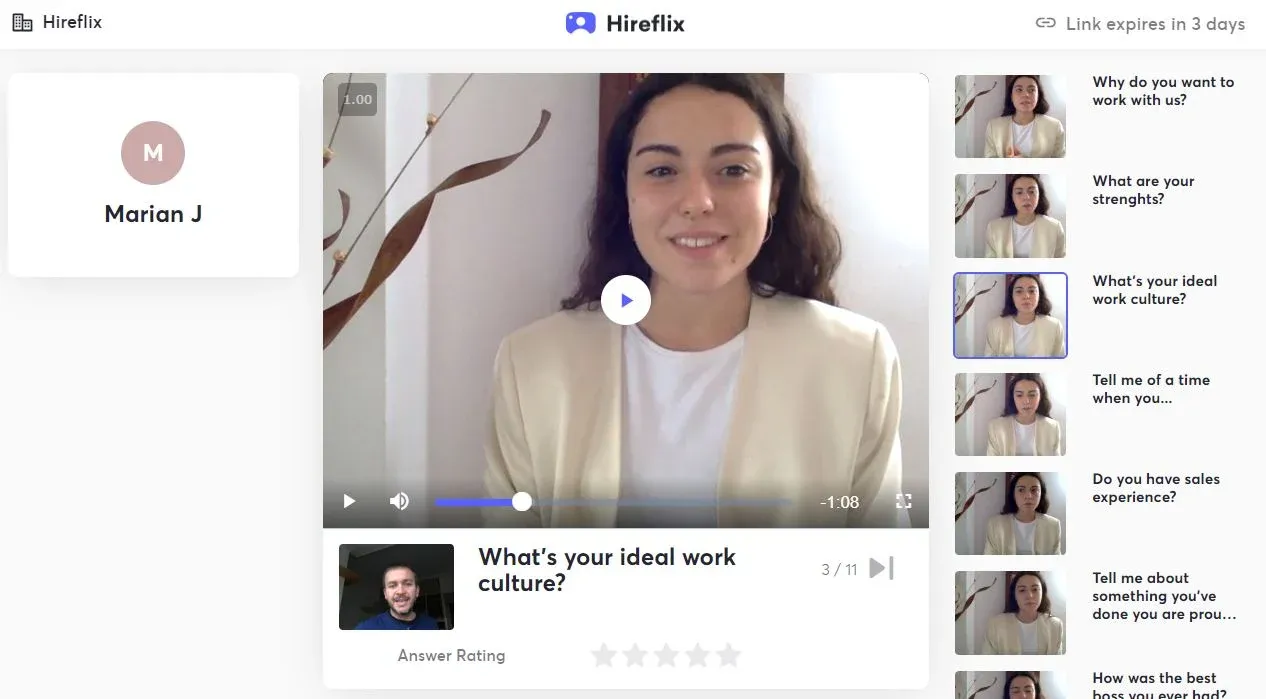
Hireflix integrates directly with major ATS platforms to automate this workflow. When a candidate meets your initial criteria, they receive a branded video interview invitation without any manual recruiter action. This keeps your pipeline moving even during high-volume periods when individual follow-up becomes impossible.
2. Let Managers Review On Their Schedule
Allow hiring managers and team members to watch and rate candidate responses whenever it fits their calendar rather than blocking time for live phone screens. A retail manager can review video interviews during a slow afternoon. A warehouse supervisor can evaluate candidates after shift. Remote team members can participate without timezone conflicts.
Enable collaborative scoring with rating scales and comment features so multiple stakeholders can weigh in efficiently. When three team members can independently review and rate candidates in 20 minutes total rather than coordinating a 45-minute group call, you've just cut decision time by more than half.
3. Share Top Responses In One Click
Advance qualified candidates quickly by sharing their video responses or highlight clips with stakeholders through secure links that require no login or account creation. Instead of forwarding resumes and summarizing phone screens, you send a link where decision-makers see and hear candidates directly.
Create shortlists faster by filtering candidates based on ratings, flagging standout responses, and moving top talent to final interviews without scheduling meetings to discuss. The transparency of video responses also builds confidence in hiring decisions because everyone evaluates the same information rather than relying on one recruiter's notes.
Try Hireflix free for one month and see how one-way video interviews transform your seasonal screening process.
Keep Candidates Engaged With Real Time Updates
Transparent, proactive communication throughout the screening process maintains candidate interest and prevents drop-off to competitors. When applicants know where they stand and what happens next, they're more likely to complete assessments, respond to interview requests, and accept offers.
Seasonal candidates often juggle multiple applications at once. The first company to provide clarity and maintain momentum typically wins the hire.
1. Trigger Branded Status Emails
Automate messages at key milestones to keep candidates informed without manual recruiter effort:
- Application received: Confirms submission and sets timeline expectations
- Assessment assigned: Provides clear instructions and completion deadline
- Video interview requested: Explains the process and what questions to expect
- Under review: Acknowledges completion and estimates decision timeframe
- Decision made: Communicates next steps or thanks them for their time
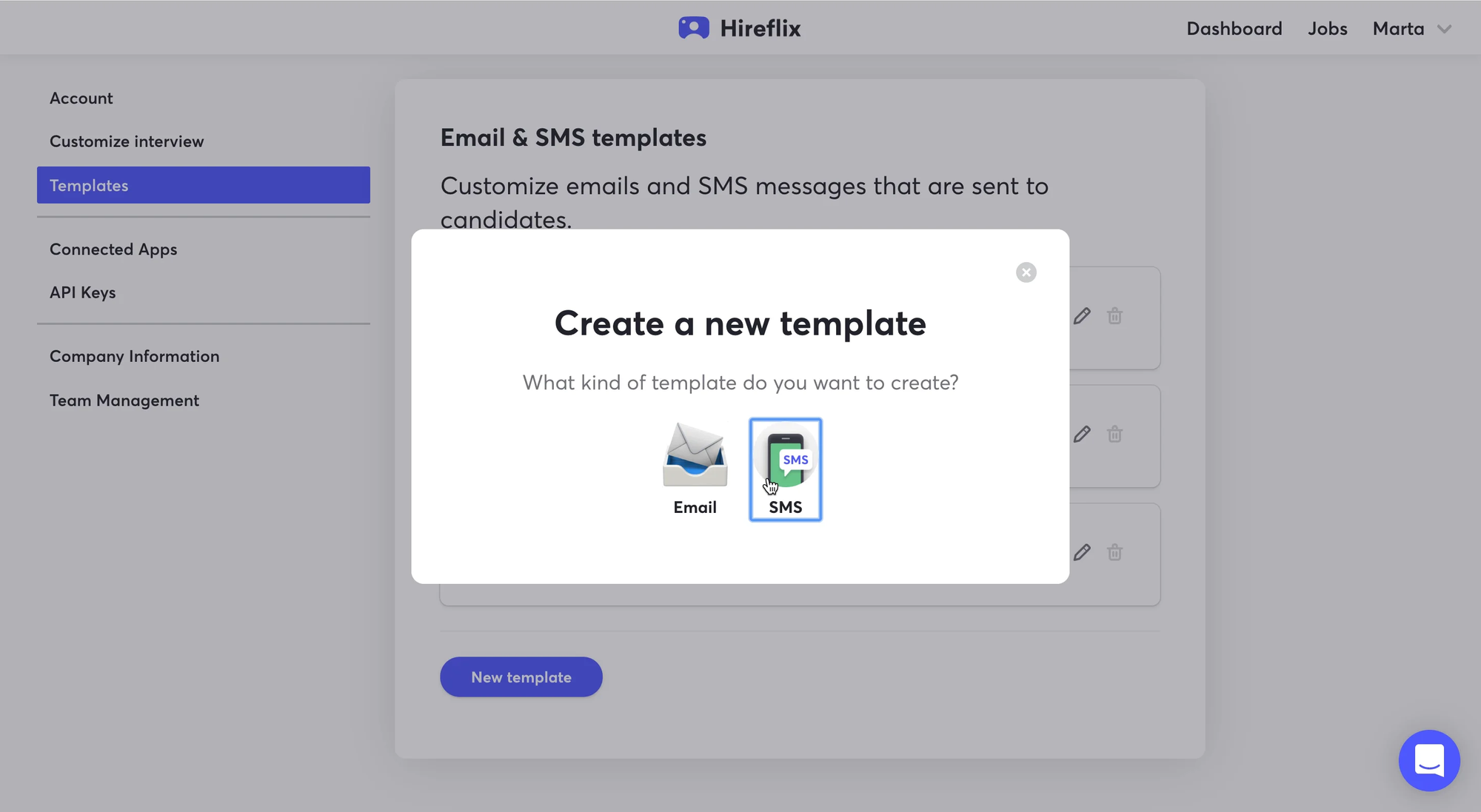
Personalize content with candidate names, position titles, and specific next steps while keeping messages concise and mobile-friendly. Set realistic expectations about timeline in every communication. If you're screening 500 applicants and decisions will take five business days, say so upfront rather than leaving candidates wondering if they've been forgotten.
2. Offer Mobile Friendly Portals
Provide self-service candidate portals where applicants can track their application status, complete required tasks, view next steps, and access important information without emailing recruiters for updates. Modern candidates expect the same transparency they get when tracking a package delivery. They want to see where they are in the process and when to expect movement.
Ensure the portal experience works seamlessly across devices since many seasonal applicants will access it from smartphones. Clunky mobile experiences or desktop-only features create frustration and signal that your organization doesn't respect how candidates actually engage with technology.
Measure Time To Screen And Quality Metrics That Matter
Tracking both speed and effectiveness helps you identify bottlenecks, optimize processes, and demonstrate screening efficiency to stakeholders. Focus on metrics that reflect throughput, candidate experience, and ultimate hiring quality rather than vanity numbers that don't drive decisions.
The right KPIs reveal whether your streamlined process actually works. If you're screening faster but offer acceptance rates drop, you've prioritized speed over quality. If completion rates for video interviews are low, your process may have friction points that need addressing.
1. Time To First Touch
Measure how quickly candidates receive their first meaningful interaction after applying, whether that's an assessment invitation, video interview request, or screening call. Track this metric by role and hiring manager to identify where delays occur and whether automated workflows are functioning as designed.
2. Interview Completion Rate
Monitor what percentage of invited candidates actually complete your video interviews or skills assessments. Low completion rates (below 60 to 70%) suggest friction in your process. This could mean unclear instructions, excessive time requirements, poor mobile experience, or technical issues. High completion rates indicate your screening steps are reasonable and candidate-friendly.
Test your own process quarterly by having someone outside your team complete a full application and screening workflow. You'll often discover pain points that candidates experience but don't report.
3. Offer To Accept Ratio
Track how many extended offers are accepted versus declined to assess whether your screening accurately identifies candidates who are genuinely interested and qualified. Lower rates suggest you're advancing candidates who aren't truly committed, your compensation isn't competitive, or your process takes so long that candidates accept other offers first.
Compare acceptance rates across screening methods. If candidates who complete video interviews accept offers at higher rates than those who only do phone screens, that's evidence that video provides better mutual evaluation and sets clearer expectations.
Power Up Your Next Seasonal Hiring Push With Hireflix
One-way video interviews directly address the core challenges of seasonal screening. They eliminate scheduling delays that slow high-volume hiring, maintain candidate engagement through immediate action and transparency, and let teams evaluate at scale without sacrificing insight or quality.
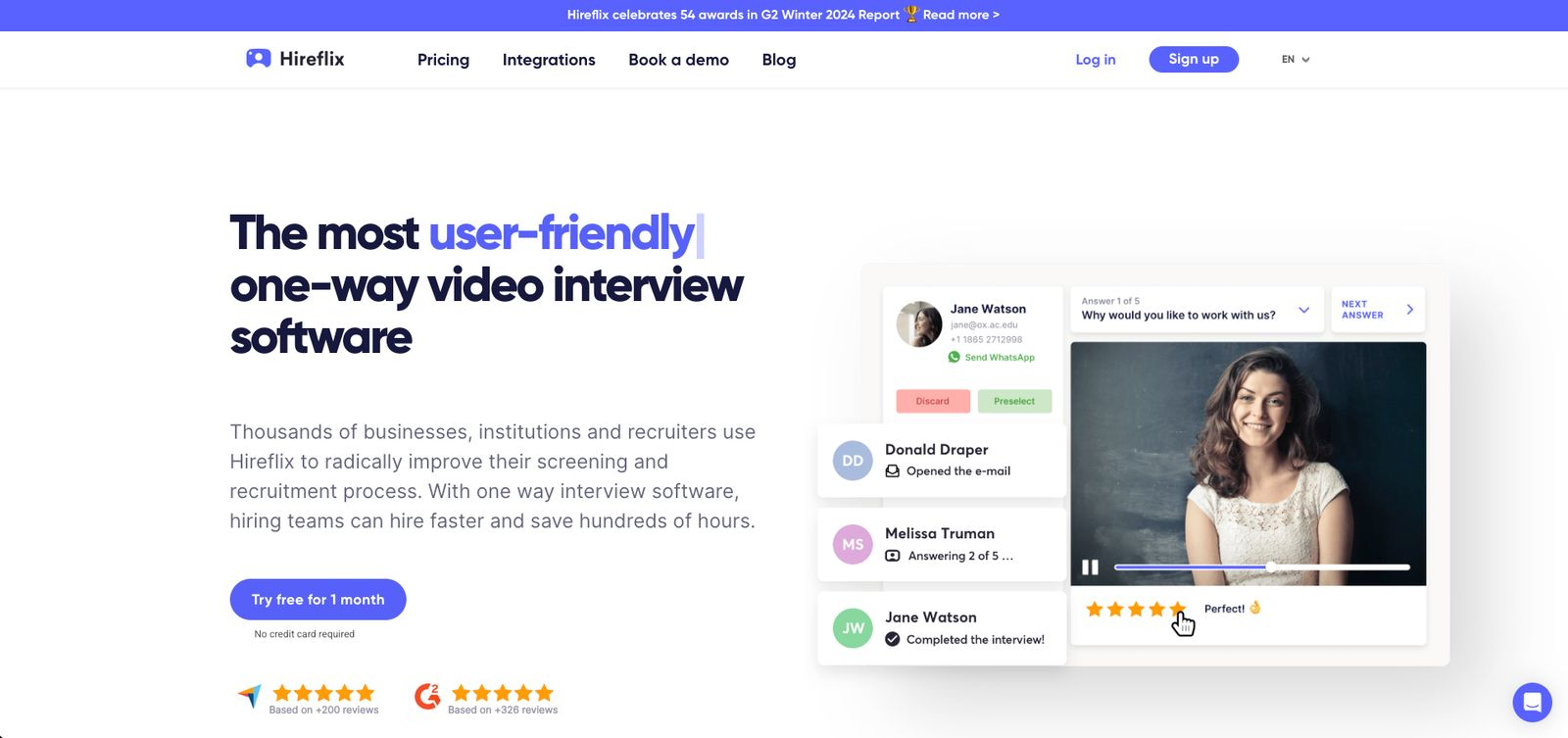
Hireflix delivers through purpose-built features:
- No scheduling required: Truly asynchronous screening where candidates record responses on their schedule and hiring teams review whenever convenient
- Unlimited candidates and standardized questions: Consistent evaluation across hundreds of applicants without per-candidate costs or setup time
- ATS integration: Automated interview invitations and centralized data that keeps your workflow seamless
- Collaborative review: Team ratings, notes, and easy sharing that accelerate decisions without meetings
The platform is designed for simplicity and speed. You can create and launch a video interview in under five minutes. Candidates complete it from any device without downloads or logins. Your team starts reviewing responses immediately.
Ready to streamline your next high-volume screening cycle? Start your free one-month trial and see how Hireflix transforms seasonal hiring from a coordination nightmare into a smooth, scalable process.
Frequently Asked Questions About Streamlining Seasonal Candidate Screening
How do I avoid bias when automation handles most candidate screening?
Use structured evaluation criteria, standardized questions, and clear pass/fail rules that apply identically to every candidate. Combine automated scoring with diverse review teams who independently rate video responses or assessment results. Audit your screening outcomes periodically by demographic data to identify any unintended disparities, then adjust criteria or processes accordingly.
What equipment do candidates need to complete one-way video interviews?
A smartphone or computer with a camera and microphone is typically sufficient for most modern video interview platforms. Hireflix runs directly in a web browser without requiring app downloads or special software, and it works on standard devices that most candidates already own. Candidates can test their setup before recording to ensure audio and video quality meet basic standards.
Can I reuse this streamlined screening process for future seasonal hiring periods?
Yes. Build templates for job postings, knockout questions, skills assessments, and video interview question sets that can be cloned and launched in minutes for the next cycle. After each seasonal push, review your metrics and candidate feedback to identify what worked and what needs refinement, then update your templates accordingly. This continuous improvement approach means each season's screening becomes faster and more effective than the last.
