Best Recruiting Software for Small Businesses That Don’t Have Time to Waste

Hiring can take up a lot of time for a small business. One open role can quickly lead to a pile of resumes, constant follow-ups, and too much scheduling back-and-forth.
The right recruiting software helps small teams stay organized, move faster, and keep hiring from pulling focus away from the rest of the business.
In this guide, you’ll learn which types of recruiting software matter most, what to look for in a platform, and which tools stand out for screening, applicant tracking, sourcing, onboarding, and candidate engagement.
Because Hireflix focuses on early-stage screening, we’ve seen what helps small businesses make hiring more efficient without adding complexity.
Types of Recruiting Software for Small Businesses

Not every type of recruiting software solves the same problem. Some tools are built to organize applicants. Others help with outreach, candidate sourcing, screening, or onboarding.
For small businesses, the goal is to find the right tool for the part of the recruitment process that slows the team down most.
Applicant Tracking Software (ATS)
An applicant tracking system helps bring structure to recruiting. It gives the hiring team one place to manage job posting, applicant tracking, candidate tracking, interview scheduling, and team collaboration.
For a small business, that usually means less confusion and fewer manual handoffs. Instead of managing resumes across inboxes, spreadsheets, and notes, the team can keep each candidate profile in one place and move people through the hiring process with more consistency.
This kind of software is often the best fit when hiring feels scattered and the team needs clearer workflow visibility.
Engagement Software
Engagement software is built to improve communication throughout the recruitment process. It helps recruiters and hiring managers manage outreach, reminders, follow-ups, and nurturing workflows in a more consistent way.
This type of recruitment software is useful when the challenge is not getting applicants into the funnel, but keeping them warm and engaged.
It can also support employer branding by making communication feel more timely and organized, which often improves the overall candidate experience.
Video Interviewing and Screening Software
Video interviewing and screening software helps businesses evaluate candidates before moving them further along. This may include live video interviews, but for a small team, the biggest value often comes from one-way interviews.
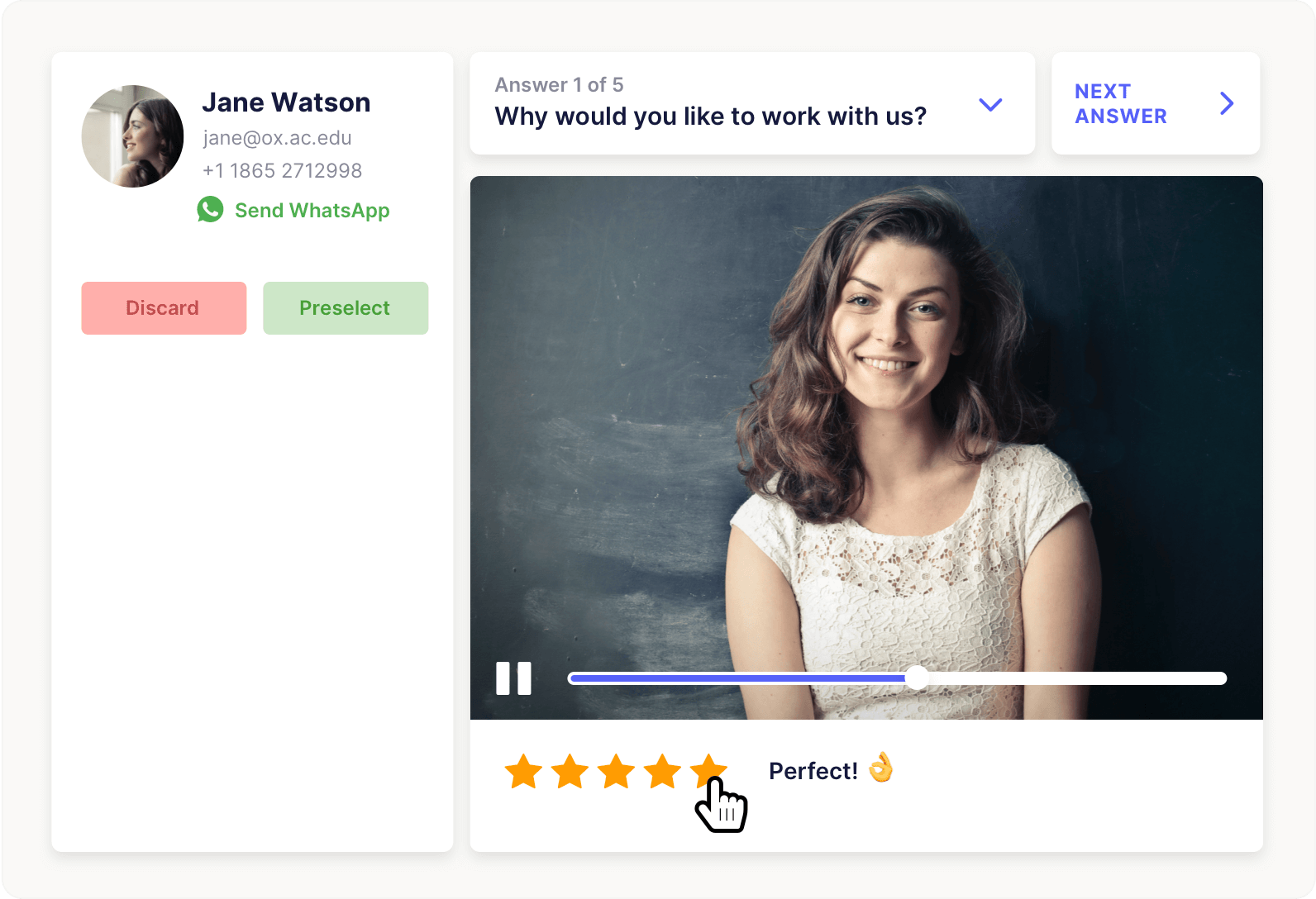
Instead of trying to coordinate calendars for every early conversation, the hiring team can send questions once and review responses on their own time.
That makes it easier to identify qualified candidates, reduce interview scheduling delays, and support collaborative hiring without adding more admin work.
Candidate Sourcing Software
Candidate sourcing software helps businesses find, attract, or organize talent before screening begins. It becomes especially useful when a small business is not getting enough strong applicants through a job board, referrals, or social media alone.
If pipeline reach is the main issue, sourcing software can help expand access to talent and make candidate sourcing more proactive. For some teams, that matters more than adding another interview-stage feature.
What to Look for in Recruiting Software for Small Businesses
The best recruiting software for a small business is not always the one with the longest list of features.
It is the one that solves the right problem without creating more complexity for the HR team, hiring manager, or anyone else involved in recruiting.
Ease of Use
Small business recruiting software should be easy to adopt and simple to manage. If a platform takes too long to set up, requires too much training, or adds too many steps, it can create more friction than it removes.
Candidate Organization and Workflow Visibility
Strong applicant tracking, candidate tracking, and candidate management features help the hiring team stay organized. It should be easy to see where each candidate stands, what stage comes next, and who needs to take action.
Screening and Scheduling Support
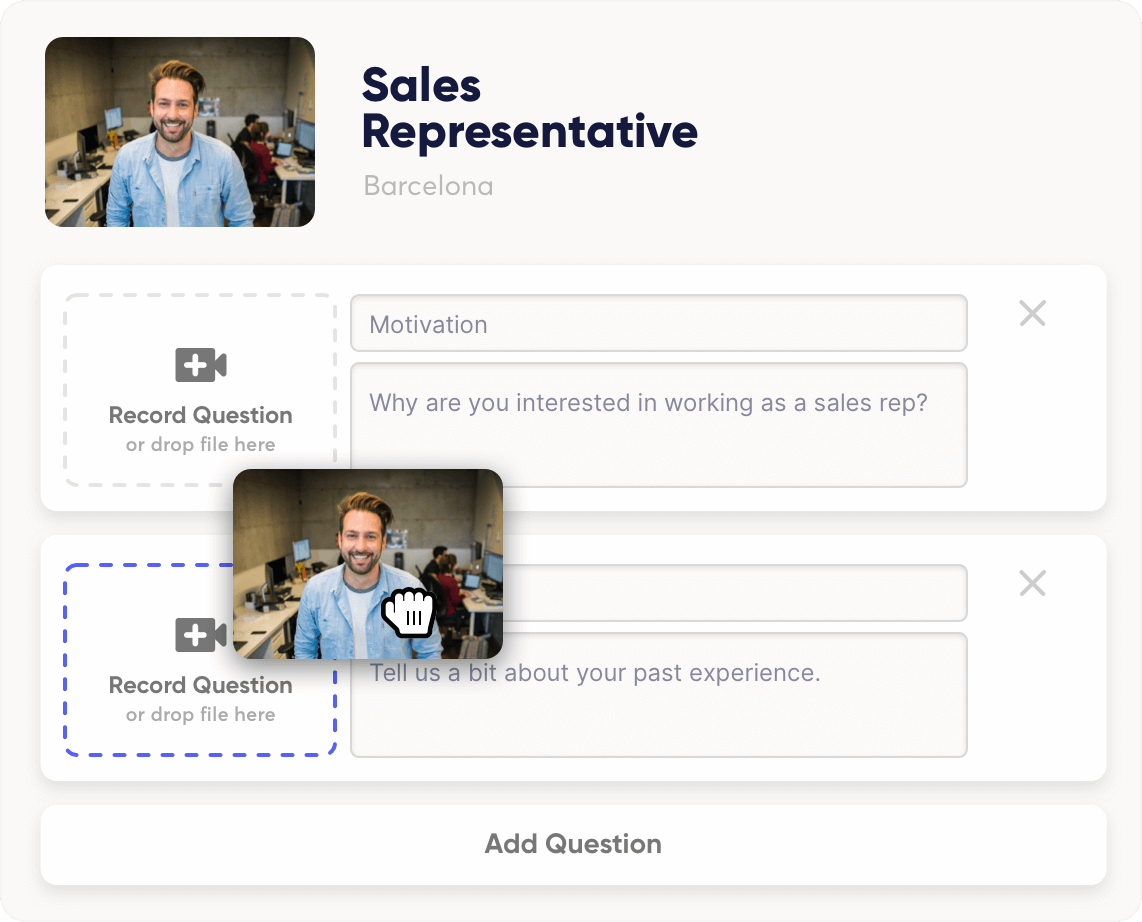
Some teams need resume parsing, candidate scoring, or candidate matching. Others need a faster way to review applicants and reduce interview scheduling friction. The right feature set depends on where the hiring process slows down most.
Team Collaboration
Hiring moves more smoothly when the hiring team can review candidates, share feedback, and make decisions in one place. For a small team, this kind of visibility helps avoid delays and keeps the recruitment process more consistent.
Operational Fit
Choosing recruiting software gets easier when you look at your actual hiring needs instead of the broadest feature list. A tool should match your team’s size, workflow, and biggest recruiting challenge.
Before choosing a tool, ask:
- How much hiring volume do we actually have?
- Do we need a full applicant tracking system or a more focused tool?
- Will this software work with our existing systems?
- Do we need a free trial or free plan before committing?
- What is our biggest bottleneck right now: sourcing, screening, tracking, scheduling, or onboarding?
The best recruiting software is the one that fixes your specific business’s hiring problem.
Best Recruiting Software for Small Businesses
The best recruiting software for small businesses depends on where the hiring process needs the most support. Some teams need better screening, while others need stronger applicant tracking, sourcing, onboarding, or candidate communication.
Video Interviewing and Screening: Hireflix
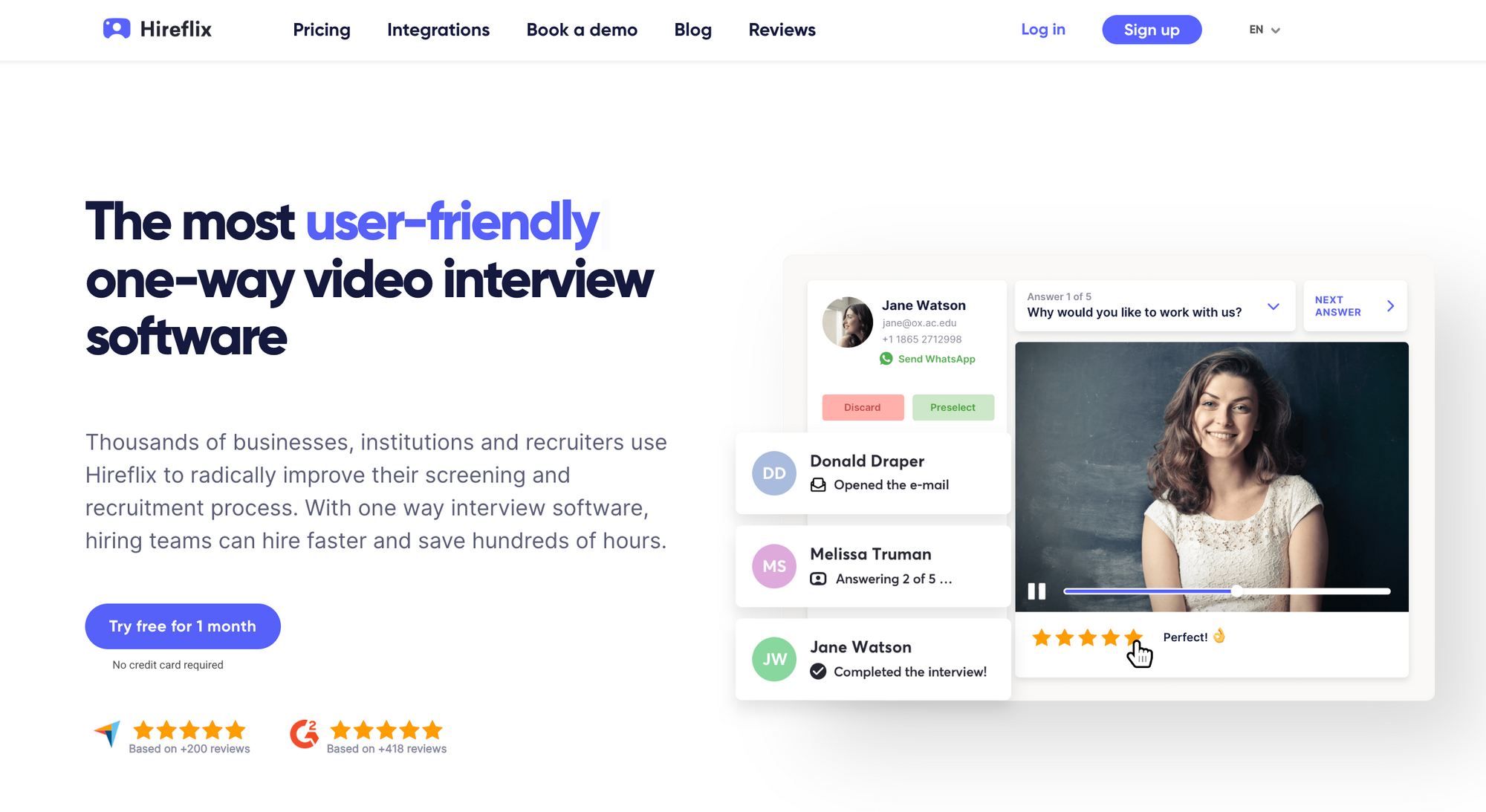
Hireflix is the strongest fit for small businesses that need to make screening faster and easier. It is a one-way video interview platform that helps hiring teams review candidates on their own time instead of scheduling first-round phone calls for every applicant.
That matters most at the top of the funnel, where hiring can slow down quickly. A small team can send structured interview questions, collect responses, and review candidates asynchronously without turning early-stage screening into a calendar exercise.
Why Hireflix works especially well for a small business:
- Replaces repetitive first-round phone screens
- Reduces interview scheduling friction
- Makes collaborative hiring easier
- Helps the hiring manager review candidates faster
- Keeps the hiring process moving without extra workflow complexity
The value here is not just speed. Hireflix also makes early screening more practical for a lean hiring team. Everyone can review the same answers, compare candidates more easily, and spend live interview time on the people who are the best fit.
If the biggest bottleneck in your recruitment process is early-stage screening, Hireflix is a very practical tool.
ATS and Workflow Management: Rippling Recruiting
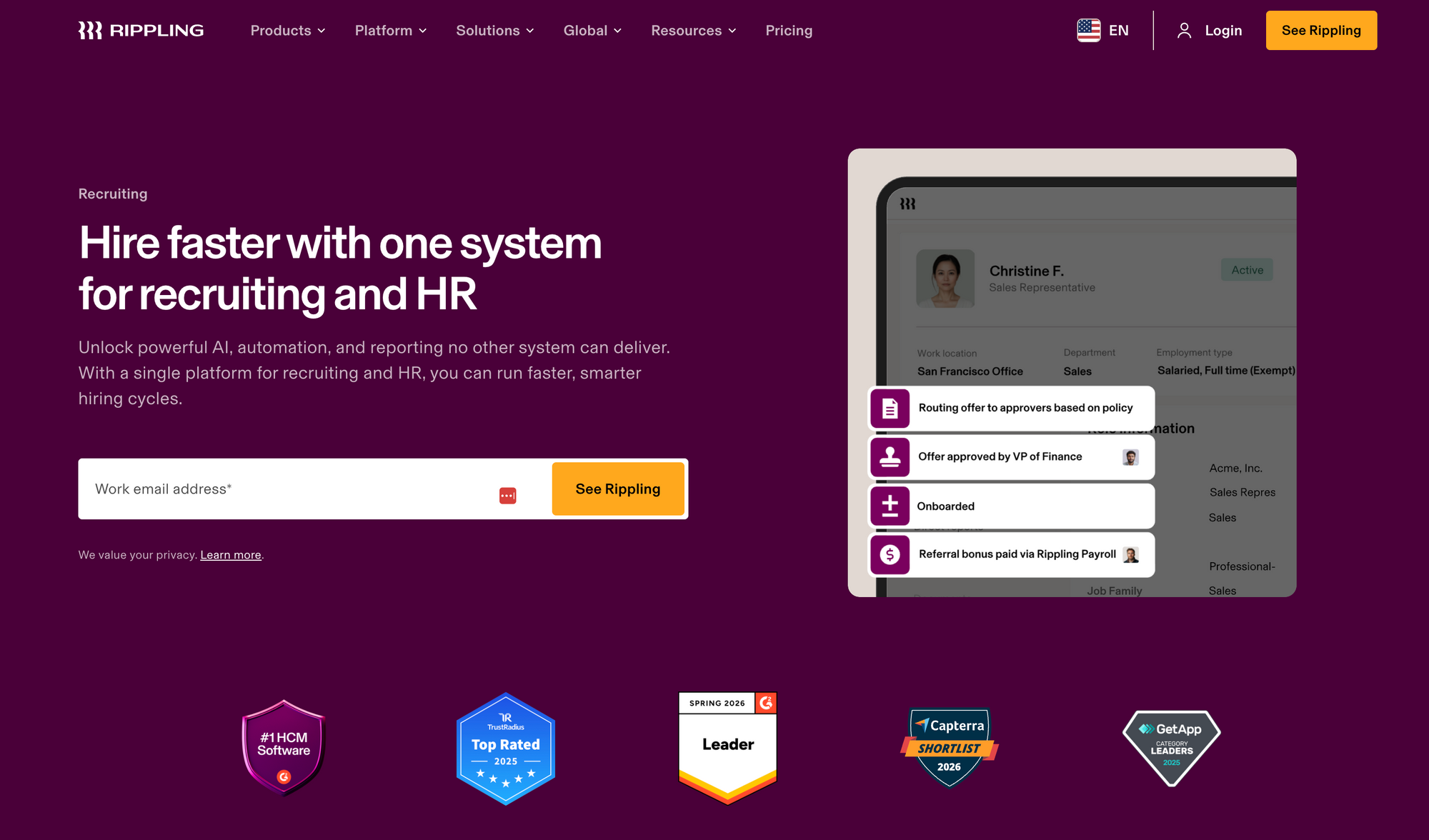
Rippling Recruiting is a strong option for small businesses that want recruiting and HR operations connected in one system.
It works as an applicant tracking system inside a broader HR platform, which makes it useful for teams that want more structure, visibility, and continuity from recruiting into onboarding.
Its biggest advantage is process connection. Instead of managing hiring separately from the rest of HR, teams can keep job posting, applicant tracking, interview workflows, and hiring records tied together in one place.
Rippling Recruiting is a good fit for businesses that want:
- More organized hiring workflows
- Better recruiting visibility across the team
- Stronger recruiting-to-onboarding continuity
- A platform that connects hiring with broader HR operations
This is less about solving one narrow problem and more about creating a more connected hiring process. For a small business that wants recruiting software to sit inside a larger people operations system, Rippling Recruiting makes sense.
ATS: Zoho Recruit
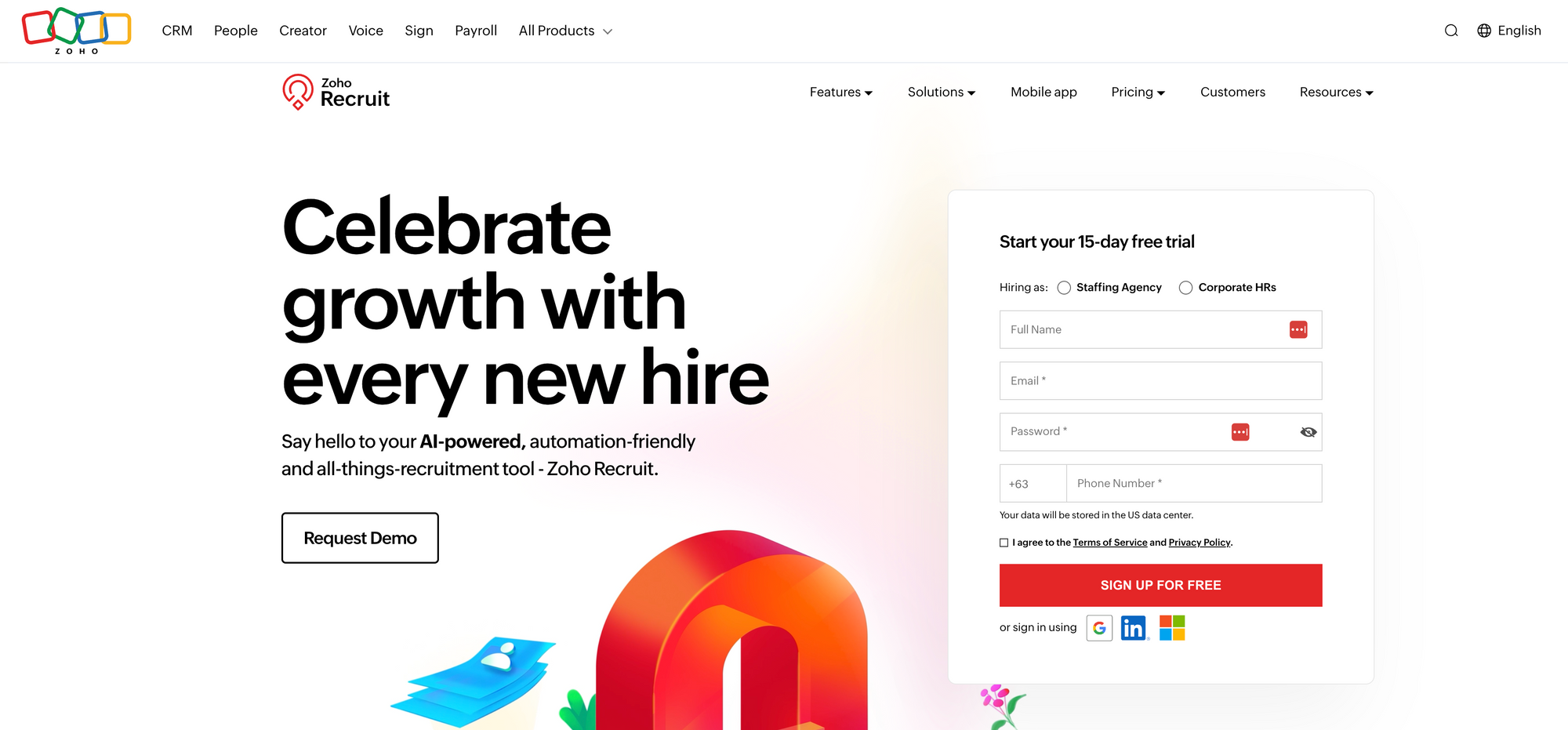
Zoho Recruit is a strong ATS option for small businesses that want more traditional applicant tracking and process control.
It is built to manage candidate pipelines, sourcing, interview stages, job posting, and hiring workflows in one platform.
For teams still relying on spreadsheets, inboxes, or disconnected software, Zoho Recruit can help centralize recruiting. It gives the hiring team one place to manage candidate profiles, track progress, and organize the full recruitment process more clearly.
Its value comes from helping small businesses create more structured hiring operations through:
- Centralized job posting and applicant tracking
- Better candidate management and candidate tracking
- More consistency across hiring stages
- Clearer collaboration between recruiters and hiring managers
- Automated workflows that reduce manual follow-up
Zoho Recruit makes the most sense for businesses that need a more classic applicant tracking system to bring order and consistency to hiring.
If the problem is process control, this type of tool is often a better fit than a more specialized screening platform.
Hiring and Onboarding: BambooHR
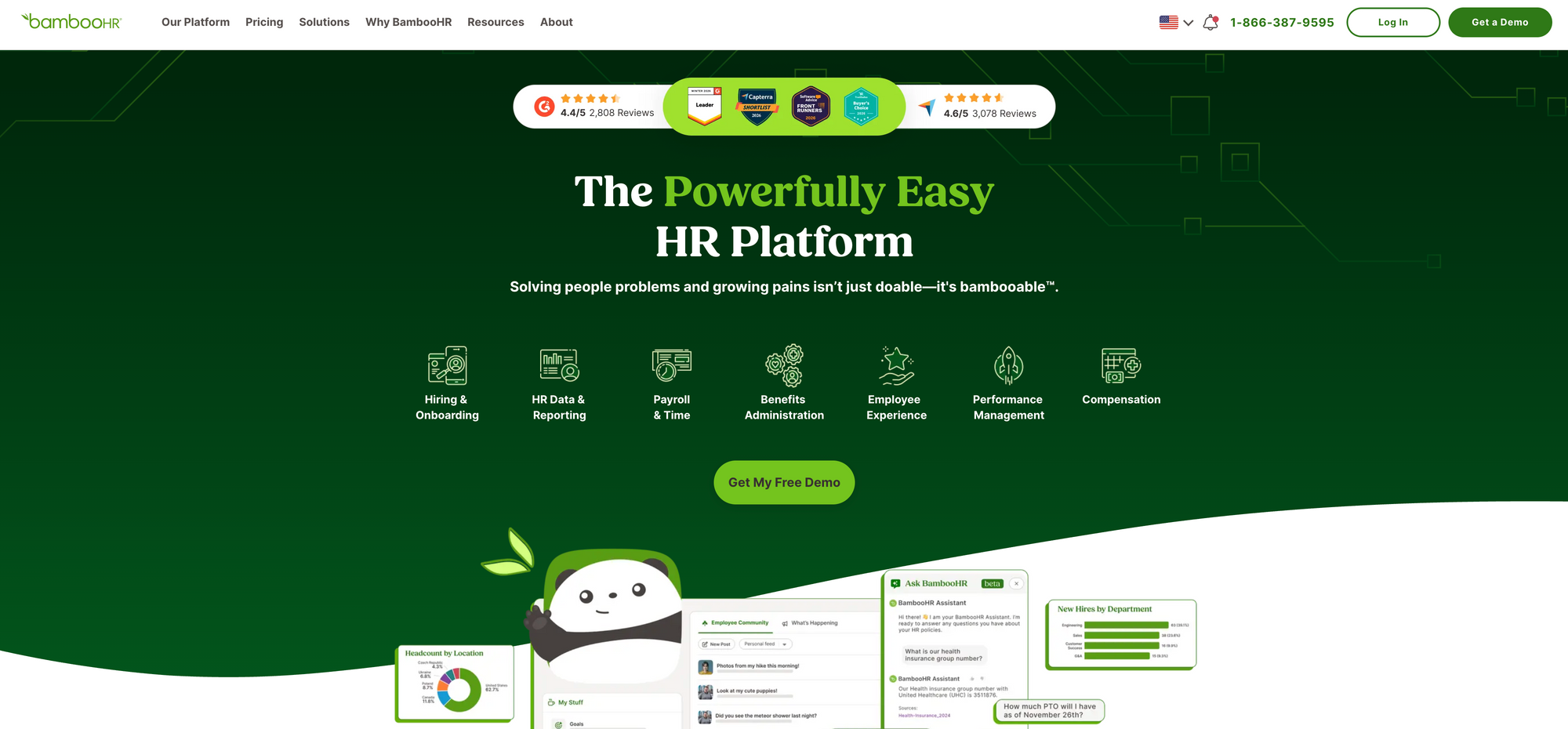
BambooHR is a useful option when the biggest hiring problem starts after the offer is accepted. It is an HR platform that supports hiring, onboarding, employee records, and performance management in one system.
Its strength is post-hire continuity. Instead of treating recruitment and onboarding as separate workflows, BambooHR helps teams move from candidate to employee with fewer manual steps and fewer missed details.
This is especially useful for small businesses that want:
- Fewer manual onboarding tasks
- Better organization after an offer is accepted
- Cleaner handoffs from hiring into HR administration
- A platform that keeps hiring and employee management closer together
If screening and candidate sourcing already work reasonably well, but onboarding still feels messy, BambooHR can be the more useful investment.
Sourcing: Deel
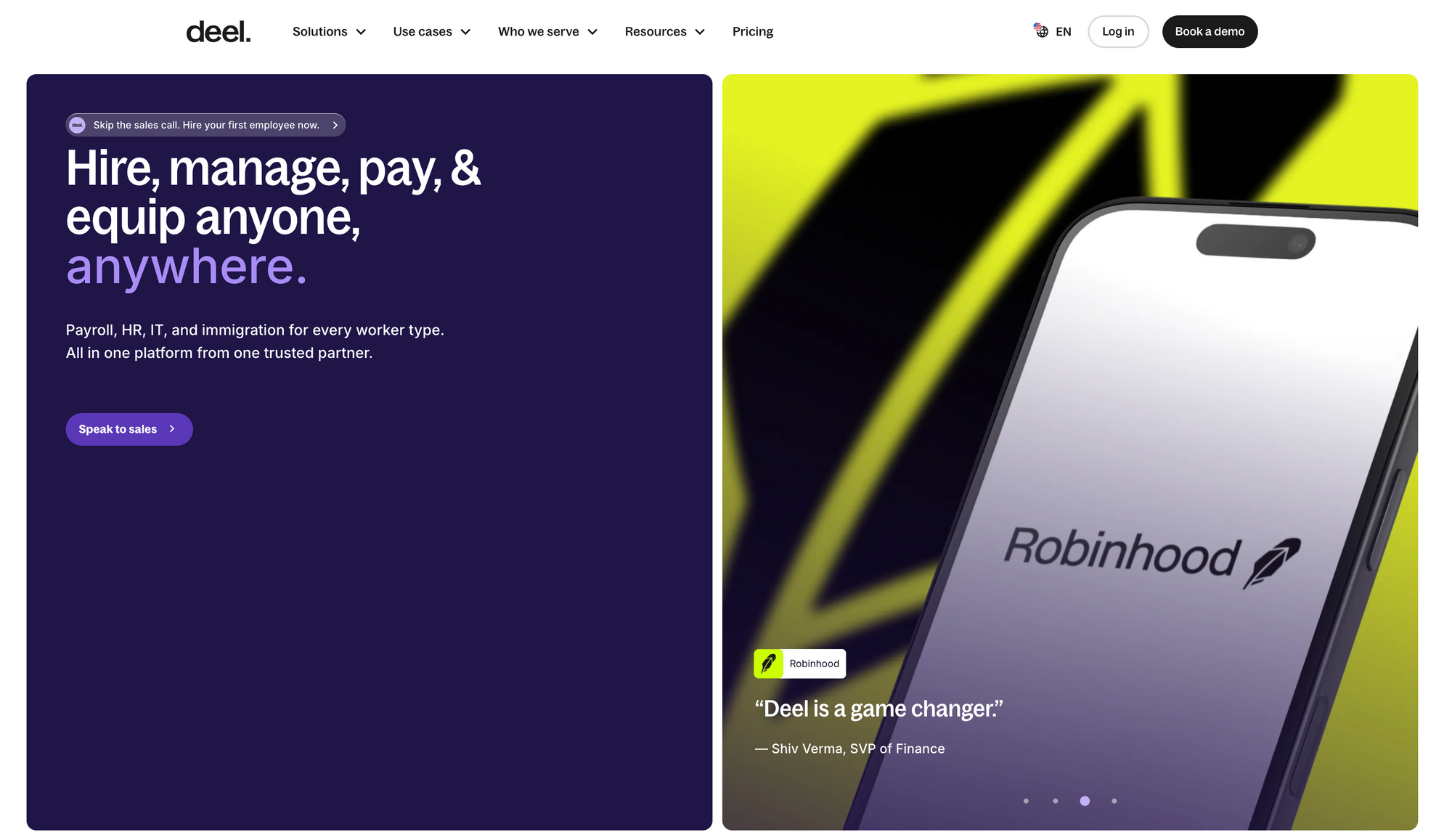
Deel is a useful sourcing and global hiring support option for small businesses that need broader access to talent. The platform is especially relevant for teams hiring across markets, building distributed teams, or trying to expand beyond a local pipeline.
When a small business is struggling to find qualified candidates, sourcing often matters more than screening.
In that situation, a tool that helps expand hiring reach can make a bigger difference than one focused mainly on interview-stage workflow.
Deel is a strong fit for businesses that need:
- Better access to global talent
- Support for distributed hiring
- A wider candidate sourcing pipeline
- Help expanding beyond local recruiting channels
It is not mainly designed to improve interview scheduling or candidate review. It is a better fit when the hiring bottleneck is talent access and the business needs more reach in its talent acquisition efforts.
Recruiting CRM: Gem
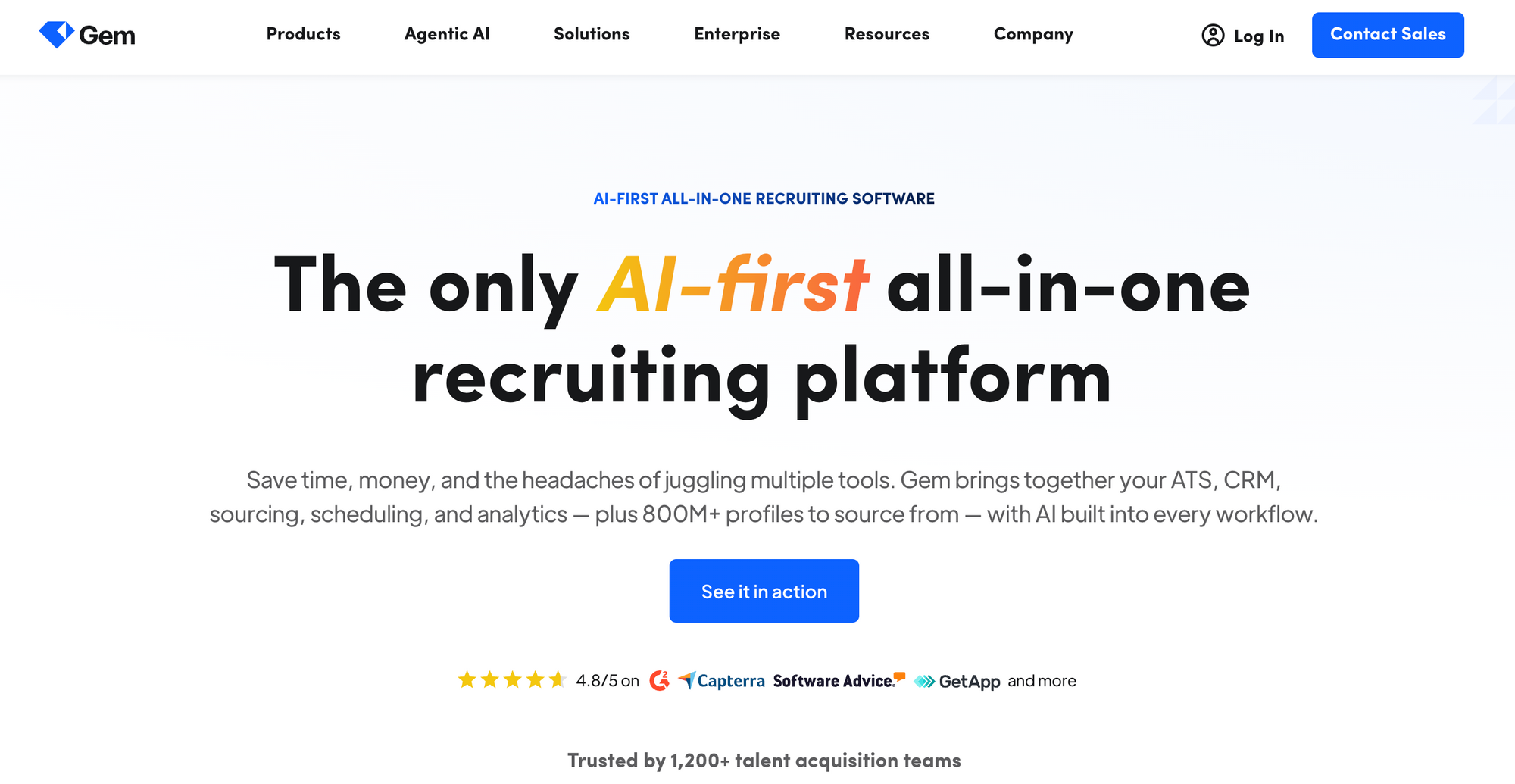
Gem is an engagement software for small businesses that need stronger candidate communication. As a recruiting CRM, it helps with outreach, follow-ups, re-engagement, and pipeline visibility.
This makes it useful when candidates are entering the funnel, but communication is inconsistent or too manual. It helps teams keep talent warm, reactivate older candidate profiles, and create more structure around outreach across the recruitment process.
Gem is a strong fit for businesses that need:
- Better follow-up with candidates
- More visibility into outreach efforts
- A way to re-engage older talent pipelines
- Stronger employer branding through more consistent communication
- Better support for candidate experience
If the real issue is weak communication rather than weak applicant tracking, Gem is the more relevant tool category.
Automate Recruitment for Your Small Business with Hireflix
The best recruiting software for small businesses depends on the part of the hiring process that needs the most help.
Some teams need a stronger applicant tracking system. Others need better candidate sourcing, smoother onboarding, or a better way to manage outreach.
But when the biggest challenge is early-stage candidate screening and interview coordination, Hireflix is often the best fit. It gives a small business a faster, easier way to review candidates, involve the right people, and keep hiring moving without turning screening into a scheduling problem.
If your team wants a simpler way to automate recruitment and make early-stage hiring more efficient, Hireflix is a strong place to start.
