Gen Z Recruiting: Inside the Minds of Gen Z Candidates

Gen Z has officially arrived in the workforce, and the recruiting playbook that worked for earlier hires is starting to show its age. In this blog, we explain what makes Gen Z candidates tick and what they expect from potential employers.
We also cover some practical changes that will help you win them over during the recruitment process. This way, you’ll have a clearer recruiting strategy for connecting with the youngest candidates going on job hunts.
Who Are Gen Z Candidates?
Generation Z refers to people born roughly between the late 1990s and the early 2010s, making them the newest major generation to enter the hiring market.
Gen Z workers grew up with social platforms and instant access to information, so researching employers, comparing options, and checking reviews is second nature to them.
That background shapes how they approach work. Gen Z talent tends to value authenticity, meaningful work, and roles that fit their wider goals and career path. Compared with many millennial and Gen X workers who may have placed more weight on stability or a clear ladder to climb, Gen Z candidates often look closely at whether the role fits their bigger priorities.

Getting a good grasp of the Gen Z mindset is important before adjusting your recruitment process. And that’s because they’re quick to spot when a company’s message doesn’t match the actual candidate experience.
What Gen Z Candidates Care About Most
When Gen Z employees weigh a job offer, a handful of priorities rise to the top. For a generation that has compared brands online since childhood, vague promises rarely survive a second look.
Knowing what Gen Z values most helps recruiters build a hiring process that feels more credible from the start. The factors that tend to matter most include:
- Salary clarity: Gen Z candidates want to understand compensation early instead of waiting until the end of the process. Clear salary information helps them decide whether the role is worth pursuing before they invest more time.
- Company values: They pay attention to whether an employer’s stated values match how the company actually operates. If the message feels performative or inconsistent, their trust drops quickly.
- Purpose and meaningful work: Many want to see how the role connects to something larger than daily tasks. This doesn’t mean every job needs a grand mission, but the value of the work should feel clear.
- Flexibility: Work-life balance, flexible schedules, and modern work arrangements can influence whether they stay engaged. For many Gen Z candidates, flexibility signals that an employer understands how work has changed in the current era.
- Honest communication: Clear timelines, direct updates, and realistic expectations help build trust. When communication feels vague or delayed, Gen Z candidates are more likely to lose interest.
Those priorities translate directly into behavior during a hiring process. Younger candidates are far more likely to disengage when employer messaging feels vague, outdated, or disconnected from reality.
A polished careers page counts for little if the recruiter conversation tells a different story, and that kind of inconsistency tends to read as a warning sign.
Best Practices for Recruiting Gen Z Candidates
Knowing what Gen Z wants is one thing, but building a recruiting process around it is another. The practices below focus on the adjustments that help the most with Gen Z recruitment.
Make the Hiring Process Faster and More Transparent
Few things cool a Gen Z candidate's interest faster than a slow, unclear process. Long timelines create real drop-off risk because younger job seekers often have several conversations running at once and may commit to the employer that moves with more intention.
To keep your Gen Z candidates engaged, recruiting teams should focus on a few practical improvements:
- Trim unnecessary steps: Remove hiring stages that don’t add real value to the decision. A shorter process helps candidates move forward before their interest fades.
- Reply promptly: Send timely updates after applications, interviews, and screening stages. Even a simple status message can keep candidates from feeling ignored.
- Share salary ranges early: Give candidates a clear sense of compensation early on; some Gen Z candidates won’t even apply if the salary range isn’t in the job posting. Transparency here saves time for both sides and avoids late-stage mismatches.
- Outline the hiring steps upfront: Explain what the process includes and what candidates should expect next. Clear steps reduce uncertainty and make the process feel more organized.
- Give realistic timelines: Gen Z has grown up in an always-connected world. Let candidates know when they can expect updates or decisions. A realistic timeline is better than vague reassurance that never turns into action.
When Gen Z job seekers know what to expect and roughly when it will happen, they are far more willing to stay engaged all the way through to an offer.
Use Digital-First Communication That Matches Gen Z Habits
How you reach out matters as much as how quickly you do it. Gen Z is a group that grew up texting, messaging, and managing most of their life from a phone, so digital-first communication that is mobile-friendly and low-friction tends to land best.

Dense emails and unprompted phone calls are a poor fit for early-stage engagement, especially when a quick message or self-paced step would do the same job. Reaching Gen Z workers through easy-to-answer outreach keeps momentum high and lowers the odds that a promising applicant stops replying.
Show Employer Value Through Authenticity and Real Proof
Authenticity is not a buzzword for this generation; it’s a filter. Because Gen Z candidates are used to evaluating brands critically, employer claims need evidence to back them up.
Real employee stories, visible values, and concrete examples of day-to-day culture carry far more impact than a slick slogan or a stock photo of people laughing around a laptop.
Consistency seals the deal. The picture painted in a job description should match what a recruiter says, which should in turn match what a new hire actually experiences. When those signals line up, trust builds on its own.
When they clash, even strong potential candidates start looking elsewhere. Showing Gen Z talent who you really are, rather than telling them, is what separates employers who attract this group from those who keep wondering why offers fall through.
Use Asynchronous Screening to Better Match Gen Z Expectations
One clear Gen Z recruiting trend is the shift toward self-directed steps, and early screening is the obvious place to start. If one process change fits recruiting Generation Z almost perfectly, it’s moving that first round to an asynchronous format.
Digital-native candidates often prefer self-paced interactions over phone tag and endless scheduling threads. An asynchronous interview lets someone record their answers whenever it suits them, which makes that first stage feel convenient instead of disruptive.
This is where Hireflix can help. The platform supports one-way, asynchronous video interviews that align with Gen Z's comfort with digital-first, on-demand interaction.
Candidates record their responses on their own time from any device, and recruiters review them whenever they are ready, with no calendar coordination required.
The payoff is less friction on both sides. Recruiters screen more people in less time, Gen Z applicants get a faster and more flexible experience, and the process stays modern rather than feeling cumbersome. For teams trying to meet Gen Z's expectations without piling on extra work, asynchronous screening is a rare win for everyone involved.
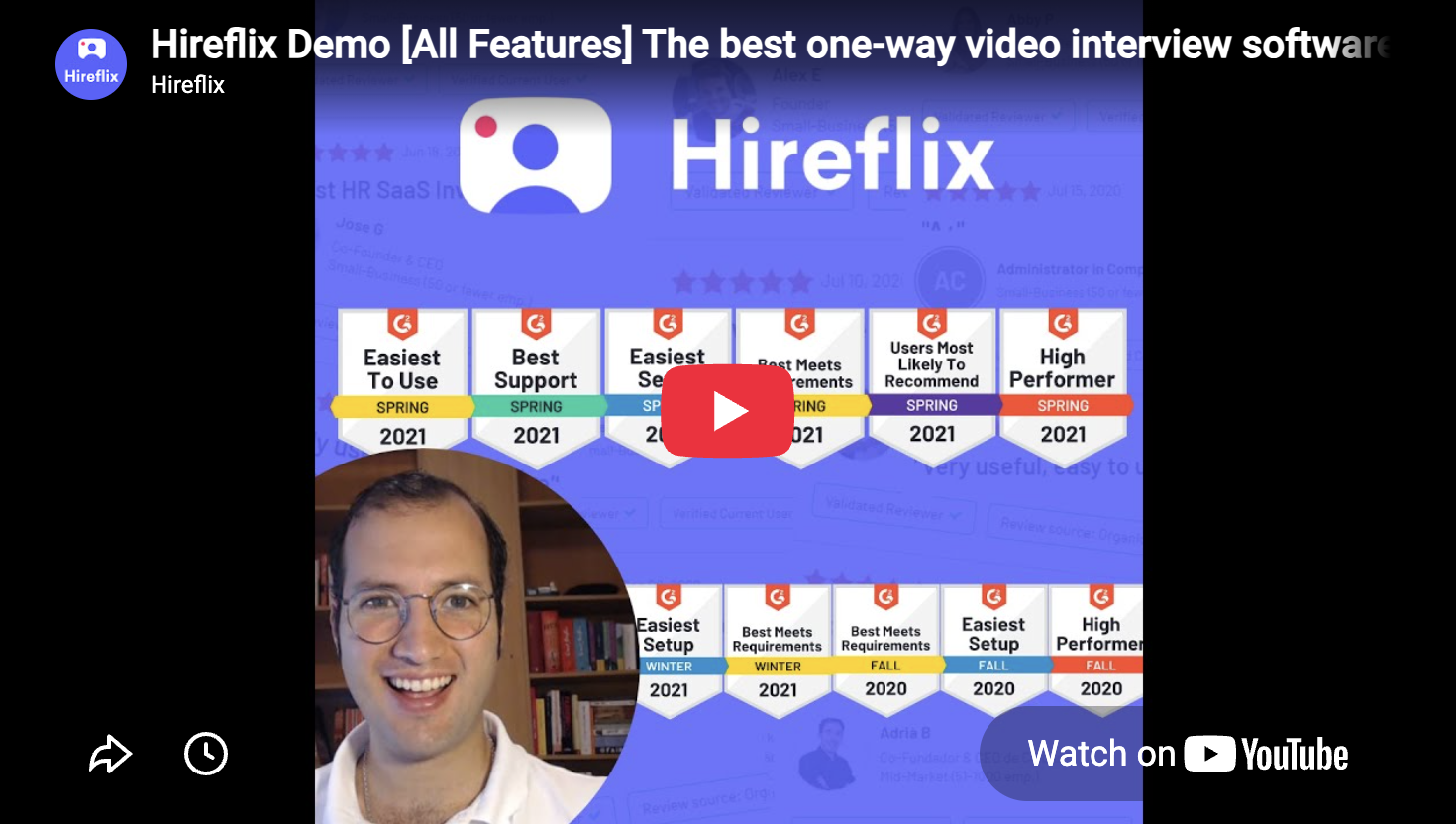
Want to see how Hireflix works in practice? Watch the demo to explore its features and workflow.
Meet Gen Z Where They Already Discover Opportunities
Not every Gen Z hire starts with a job board. Many discover roles through referrals, an employer’s online presence, and career content long before they ever open an application form. Expanding sourcing into these channels widens the top of your funnel beyond traditional application behavior.
Recruiting teams can build awareness through channels and signals such as:
- Employee referrals: Referrals introduce roles through people candidates already trust. This can make the opportunity feel more credible than a cold job post.
- Social media content: Social content can show the company’s culture, people, and day-to-day work in a more natural way. For Gen Z candidates, these signals often shape perception before they ever apply.
- Career pages: A strong careers page explains roles, values, benefits, and growth paths clearly. It should answer the questions candidates are already asking before they speak with a recruiter.
- Employee stories: Real employee stories make the workplace feel more human and believable. They also give candidates a clearer sense of what it’s actually like to work there.
- Campus and early-career communities: These spaces help employers reach students and new professionals while they are still exploring options. Showing up early can build familiarity before candidates officially enter the job market.
Their research habits reward visibility. Before applying, Gen Z students and other early-career talent often weigh several signals at once, including peer input, a company’s social footprint, and content that shows what working somewhere is actually like. The objective at this stage is awareness, so the right people are already interested before the interview process even begins.
Build a Stronger Gen Z Recruiting Strategy With Hireflix
Winning over Gen Z doesn’t require reinventing everything, though it does mean rethinking a few defaults. The employers who do this best combine speed, transparency, authenticity, and a digital-first process design that respects how this generation actually works and communicates.
Get those fundamentals right and Gen Z hiring stops feeling like a guessing game, and the effort it takes to recruit these candidates start paying off in stronger pipelines.
Asynchronous screening is one of the most practical ways to put those principles into action, and it’s exactly what Hireflix was built for. If you want a more flexible, Gen Z-friendly way to screen candidates without burying your team in scheduling, it’s worth seeing the platform in action.
Explore Hireflix to see how asynchronous video interviews can sharpen your recruitment strategy and help you connect with the next wave of talent.
