How to Hire Faster: 10 Effective Strategies

Updated Feb 5, 2026
Figuring out how to hire faster isn’t easy—that’s why you landed on this blog.
The good news is that implementing even just one (let alone two or three) of the strategies listed below, which we’ve gathered over 8 years of working with hiring teams, will help you accomplish just that.
Here are 10 powerful ways to speed up your hiring process:
1. Use One-Way Interview Software
One of the best ways to hire faster, reduce costs, and even improve the candidate experience is to include one-way interview software in your talent acquisition strategy.
On average, studies show it can take up to 44 days to complete the interview process, and even longer if you need to schedule one-on-one sessions with countless applicants.
One-way video interview software like Hireflix makes it easy to screen and evaluate dozens of candidates faster and more efficiently.
You can simply create a video asking job seekers critical questions and allow them to respond in their own time.
See how Hireflix can help you hire faster in the video below.
This process can boost your chances of connecting with passionate, genuinely interested candidates, as people who are less intrigued by your role likely won’t complete the interview.
As a result, your hiring teams will spend less time on phone screening sessions, in-person interviews, and dealing with schedule coordination.
Hireflix’s straightforward and intuitive one-way video interviewing software gives businesses everything they need to master the art of asynchronous interviewing , with built-in features for collaboration, recording, and assessment.
2. Conduct Virtual Hiring Events
Skill shortages have led to increasingly tight talent pools for recruiting teams, making it harder for companies to source qualified candidates for their roles.
Job fairs and events have always offered an excellent way for companies to connect with diverse candidates, including recent graduates with varied skill sets.
However, traditional events can be time-consuming and expensive to run.
Fortunately, virtual platforms like Zoom and Google Meet offer a more cost-effective solution in a consolidated environment.

These popular video conferencing and webinar platforms make it easy to host informational sessions where potential hires can learn more about your company culture and roles.
You can even launch virtual events to streamline the initial screening process, particularly during high-volume hiring periods.
Hiring managers can showcase employee value propositions, connect with candidates, and examine their skills, all in a consolidated environment.
3. Harness the Power of Social Media
Social media is becoming a valuable tool in the hiring process, with over 70% of companies saying they’ve achieved successful results with a social strategy.
Platforms like Twitter, Facebook, and LinkedIn are excellent for both attracting and engaging candidates.
In fact, LinkedIn research shows that over 55% of candidates go to social networks when looking for new jobs.
Social media can even help companies target their recruitment strategy by promoting job ads to specific audiences. Clear, engaging job descriptions with eye-catching visuals are fantastic for capturing audience attention on social platforms.
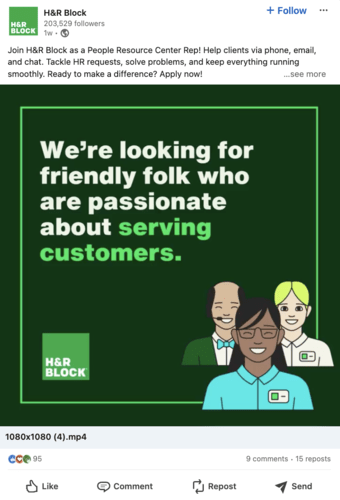
Sharing content about your team’s accomplishments, highlighting your most successful team members, or even asking staff to share stories about working with your company can boost your chances of attracting talent.
By using sites like LinkedIn, recruitment teams can also track down people with specific skills or credentials and send them messages inviting them to apply for new roles.
4. Build a Talent Pipeline Ahead of Time
A talent pipeline gives companies a selection of passive and active candidates they can access instantly whenever they need a new employee. Instead of starting from scratch, hiring teams can move straight to evaluation and engagement.
This significantly reduces the time it takes to fill gaps in your team, improving hiring efficiency and minimizing the productivity and revenue losses that come with prolonged vacancies.
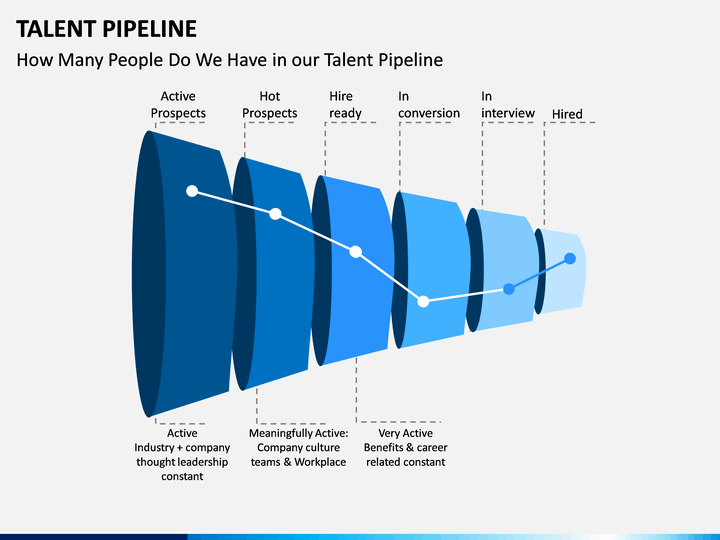
The impact of not having a pipeline is already showing. In 2025, 60% of organizations saw time-to-hire increase, and 90% of U.S. companies missed their hiring goals. In a skills-short market, relying on reactive hiring simply isn’t fast enough.
To build a talent pipeline, identify the needs of your business, both now and in the future. Then, find ways to identify and engage potential candidates.
You can connect with candidates through job fairs or social media and ask them to join your talent pool for a chance at a future role.
Make sure you communicate regularly with your pipeline, providing insights into business achievements and job opportunities as they emerge. Take advantage of applicant tracking systems and CRM software to manage your talent pool effectively.
5. Audit Your Interview Process From Beginning to End
If you want to hire faster, you need to look for opportunities to improve your current interview strategy.
Do you screen candidates with one-way interviews before inviting them to a face-to-face meeting?
If not, you could be wasting crucial time and resources on connecting with the right candidates.
Using pre-recorded interview strategies, like those you can conduct with Hireflix, can give you an excellent opportunity to save time and money.
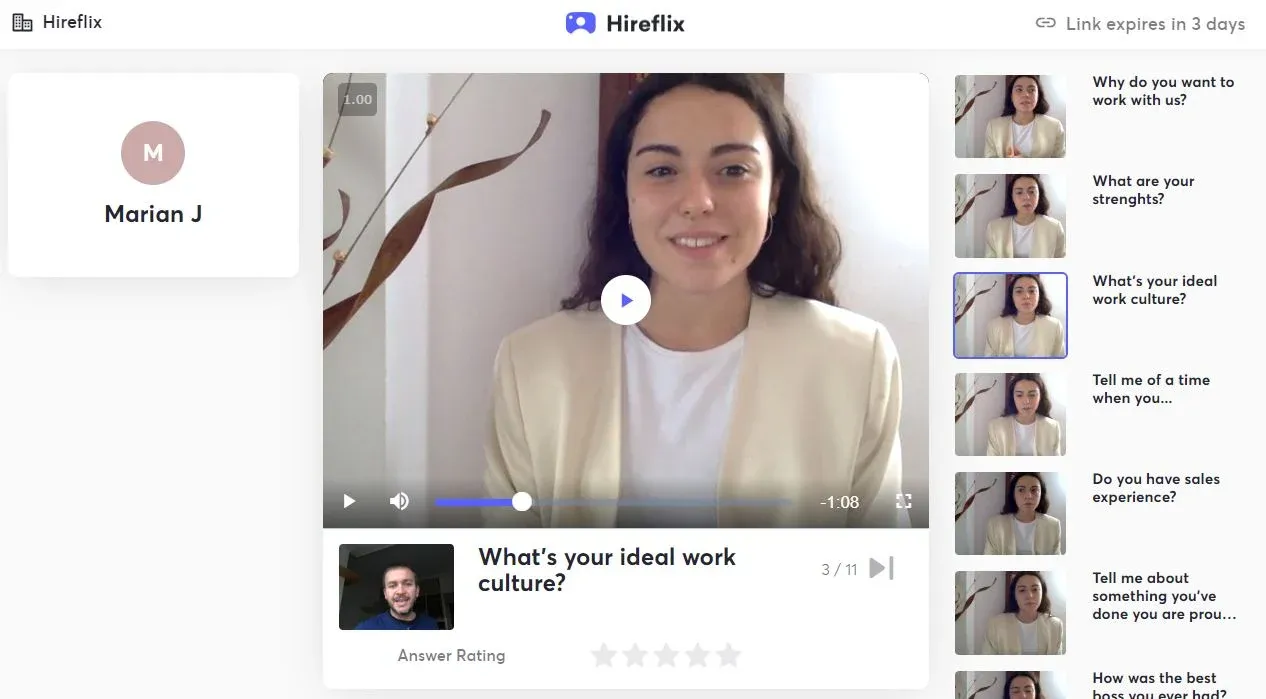
It’s also a great way to ensure multiple people can review a candidate’s answers, even if your business leaders aren’t available for an in-person interview.
Another point to consider is how you structure and standardize the interview process.
Standardized interview questions can make it much easier to evaluate candidates fairly and remove the risk of unfair bias in hiring decisions.
6. Enhance the Candidate Experience
A strong candidate experience has never been more important for companies in search of top talent.
Studies show that companies investing in a stronger candidate experience typically see a 70% improvement in the quality of their new hires.
A good candidate experience significantly increases the chances of top talent accepting your job offer and can help attract talent to your team by enhancing your employer brand.
Ultimately, improving the candidate experience means focusing on a few key areas:
- Simplifying the process for each applicant: Ensure job seekers can apply for roles as quickly and efficiently as possible. They should have the opportunity to request virtual interviews, where possible, to reduce the need for travel.
- Constant communication: Clear and consistent communication with candidates is critical to improving their perception of your company. Ensure you regularly update your candidates about their position in your hiring cycle and provide constructive feedback after each stage.
- Gathering feedback: Ask candidates directly or use surveys to gather feedback about what can be improved in your hiring process. Implement any changes you see fit to your strategy over time.
7. Speed Up Your Decision-Making
Most business leaders are reluctant to make hiring decisions too quickly given that the cost of a bad hire can be up to three times greater than the employee’s annual salary .
However, a slow decision-making process can increase your chances of losing top talent to competitors and harm the candidate experience, damaging your employer brand.
The best way to ensure you can make decisions quickly without compromising on talent is to have a clear strategy in place.

When you begin the hiring process, define clear criteria for how you’ll evaluate each applicant. Identify the essential qualifications and skills for each role and develop a standardized evaluation form for your team.
Create clear timelines and deadlines for each stage of the hiring process, and make sure you communicate them to your recruiting team and candidates.
Then, regularly review and analyze your hiring process to identify bottlenecks and areas for improvement.
Making necessary adjustments to eliminate delays and enhance efficiency leads to quicker, more successful hires.
8. Implement Employee Referral Programs
Studies have shown that employee referral programs not only increase your access to qualified candidates but also improve the results of your hiring strategy.
Employees referred to your company by existing staff members are more likely to stick with your business for longer, reducing turnover rates.
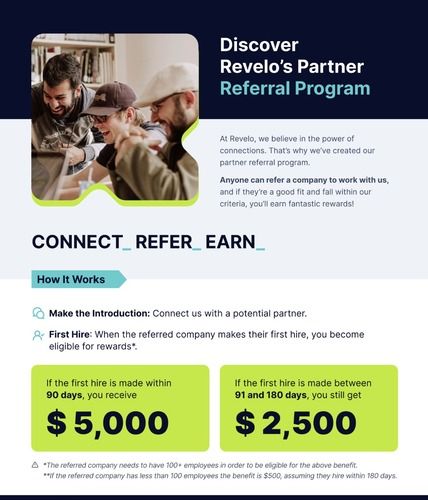
To get the best results, encourage current employees to refer qualified candidates to your business by rewarding them with perks and incentives. Provide them with the information they need to determine whether their friends and connections are the right fit for the role.
Your referral programs will reduce your recruitment costs and the time you spend searching for qualified candidates while boosting the quality of new hires.
After all, referred candidates have a better chance of fitting into your company culture and can be pre-vetted for you by your existing employees.
9. Verify the Accuracy of Job Descriptions
If the job description you posted doesn’t match the responsibilities, required experience, or compensation discussed during interviews, candidates are more likely to withdraw or lose trust in the process.
When that happens, hiring teams often have to restart sourcing and screening, which slows time-to-hire and adds unnecessary work.
Before publishing a role, take time to confirm the details reflect the actual job:
- Align with hiring managers on the skills required
- Clarify what responsibilities are essential versus flexible
- Make sure recruiters and interviewers are communicating the same expectations
Including an accurate salary range in the job post is just as important. Candidates rely on compensation details to decide whether to apply and stay engaged in the process. If the range shifts later, it can lead to late-stage drop-off and wasted interview time for both sides.
Clear, consistent job descriptions keep candidates informed and hiring teams aligned.
10. Leverage AI-Powered Recruitment Tools
AI solutions can help filter through candidates and rank resumes based on the criteria you select for a specific role. This significantly reduces manual review times, especially when they can be built into your applicant tracking system (ATS).
Some of these AI algorithms can also analyze the skills, certifications, and characteristics of employees to help you predict how well they’re likely to thrive in a new role.
Plus, you can use AI to optimize the candidate experience and automate other tasks.
Some common uses include using AI chatbots to answer candidate questions and AI scheduling tools to arrange interviews and appointments.
The important thing to remember is that while AI is powerful, it doesn’t eliminate the need for human beings in the hiring process.
Make sure you regularly review your AI tools for any evidence of bias and standardize the evaluation process to minimize the risk of unfair hiring practices.
The Bottom Line to Hiring Faster
The bottom line is there are many strategies – I just laid out 10 of them – you can use to speed up your hiring.
What’s best for your company will likely be unique to your current processes and may not be the best strategy for someone else’s company.
The good news is that just about all of the above strategies are strategies you can start implementing immediately.
And that was the goal of this article: to help you figure out how to hire faster … faster.
So what’s next?
Action! Pick one or two of these strategies and implement them as soon as you can.
If you’re interested in Hireflix’s one-way interview software, you can start today and get a whole month for free.
