What is Candidate Ghosting and How to Avoid It


Updated April 9, 2026
Candidate ghosting is a growing problem in the modern recruitment landscape. No longer just a concept in the dating landscape, “ghosting” has emerged as a trend in the hiring world, as countless potential job candidates suddenly disappear from the talent pool without warning.
For recruitment experts, HR teams, and hiring managers, this evolving issue can lead to a host of problems, from increased time-to-hire and recruitment costs to issues accessing top talent. Fortunately, video interview software offers an effective way to minimize ghosting issues by improving candidate experience, and recruitment process efficiency.
What is Candidate Ghosting, and Why Does it Happen?
Candidate ghosting is the term used to refer to instances when job applicants (or candidates) stop communicating with a human resources recruitment team or employer during the hiring process.
This can occur at multiple stages in the recruitment journey, and may involve things like candidates failing to attend scheduled interviews, or ignoring phone calls and emails.

It’s helpful to note that ghosting doesn’t happen because candidates weren’t interested in a role from the start. It occurs because the recruitment experience companies offer isn’t tailored to candidate expectations. Slow, complex, and inflexible recruitment strategies push candidates to “abandon ship” and seek opportunities elsewhere.
According to an Indeed study on candidate ghosting, over 3 out of 5 job seekers in the US have admitted to ghosting potential employers. Around the world, the figures are equally unsettling, with 37% and 36% of Canadian and UK jobseekers also embracing the trend.
Common Reasons Why Candidates Ghost Recruiters
There are many reasons candidates may choose to “ghost” an employer. Some find a better role elsewhere and simply don’t want to deal with the process of saying “no” to a potential recruiter. Others decide a role simply isn’t right for them or decide to quit their job search.
However, the most common reason for candidate ghosting is simple: a poor candidate experience. If candidates find the recruitment journey long and complex or don’t get enough feedback and communication from an employer during each hiring phase, they lose interest in working for a company.
In fact, 23% of job seekers say communication issues with human resources teams or recruiters are their number one reason to “ghost” an employer. This means to avoid candidate ghosting, recruitment teams need to optimize and accelerate their recruitment strategy.
How to Prevent Candidate Ghosting
Candidate ghosting usually happens when the hiring process feels frustrating, confusing, or easy to ignore. To reduce the chances of candidates dropping off, each part of your process should solve a different problem, from convenience to trust to speed.
1. Use Video Interview Software to Screen Candidates
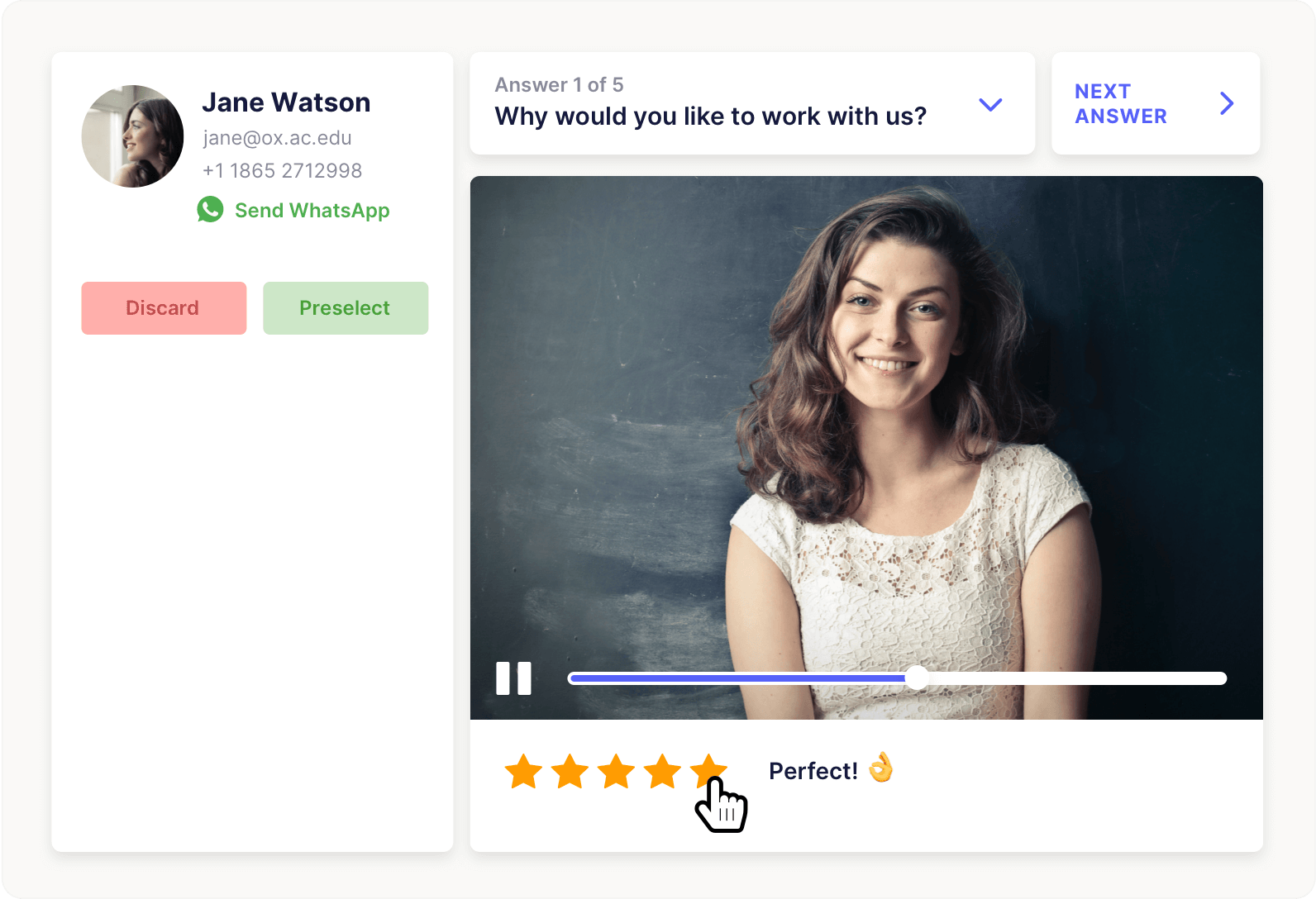
Video interview software can solve several common hiring problems that lead to candidate ghosting. It saves time, removes scheduling friction, and makes it easier for candidates to take part without needing to travel or rearrange their day. With asynchronous video interviews, companies can:
- Improve the candidate experience: Candidates can answer questions when it works for them, from anywhere, without the stress of scheduling a live meeting.
- Speed up the hiring process: One-way interviews cut out a lot of back-and-forth, so you can move candidates through the funnel faster.
- Create a stronger first impression: Video helps candidates get a feel for your team, tone, and company culture before they ever speak to someone live.
- Keep communication moving: The right platform can automate reminders and follow-ups, so candidates stay informed at every step.
2. Make the Interview Process Feel Worth Completing
Candidates are much less likely to ghost when the hiring experience feels thoughtful and relevant. If the process feels generic, repetitive, or impersonal, it becomes easier for someone to disengage halfway through.
You can make the candidate engagement process more compelling by showing them what to expect, using intro and outro content to explain your company, and asking better interview questions that invite real answers.
When candidates feel like they’re getting to know the role and the company, not just filling in another application, they’re more likely to stay involved.
3. Build a Clear Communication Rhythm
Silence creates uncertainty, and uncertainty leads to drop-off. Candidates shouldn’t have to guess whether their interview was received, whether they’re still being considered, or when they’ll hear from you again.
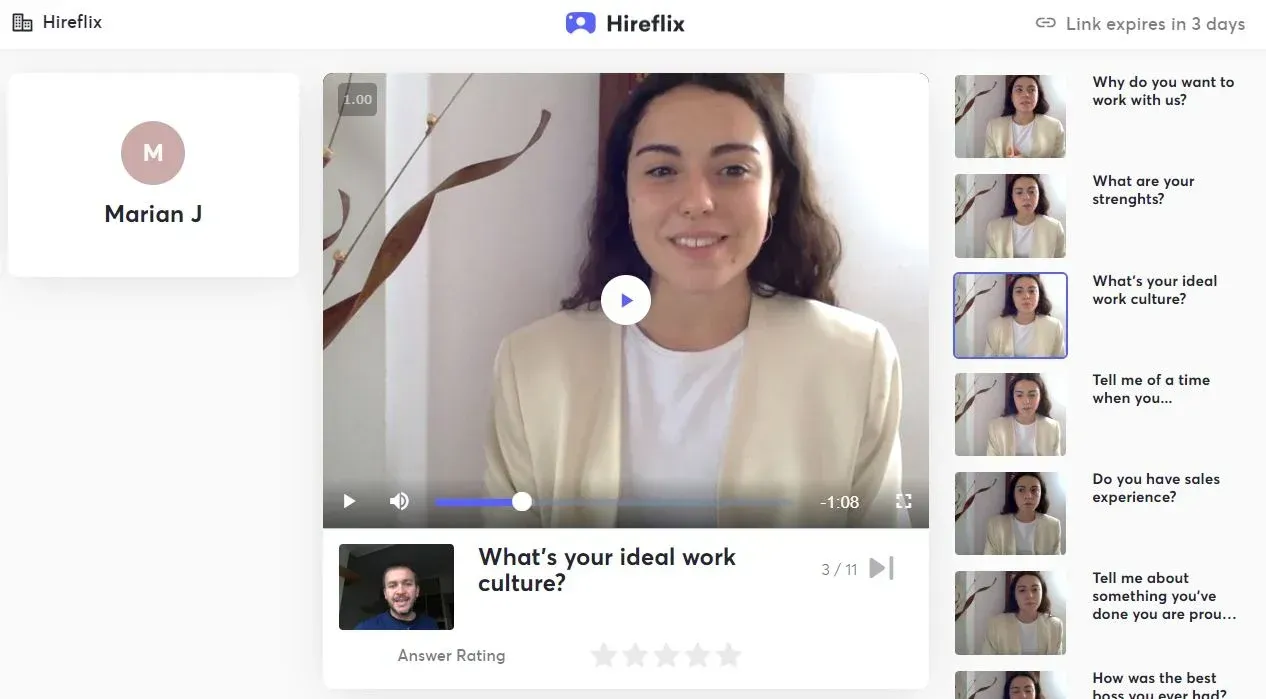
Set a communication rhythm for every stage of the process. Confirm receipt of their interview, send updates when they move forward, and close the loop once a decision has been made. Even a short update is better than none. Regular communication shows candidates that your team is organized and respectful of their time.
4. Reduce Delays Between Hiring Stages
A slow process gives candidates more time to lose interest, second-guess the opportunity, or accept another offer. Even strong candidates may disappear if too much time passes between touchpoints.
Look for places where your process drags. That might mean taking too long to review interviews, waiting days to schedule the next step, or letting approvals sit with no movement. The faster you move qualified candidates forward, the less chance there is for momentum to fade.
5. Ask for Commitment in Small, Easy Steps
When the hiring process asks for too much too soon, candidates are more likely to walk away. Long applications, early assignments, and too many steps upfront can make the opportunity feel like more work than it’s worth.
A better approach is to break the process into smaller, manageable steps. Start with a simple application or short video interview, then ask for more once the candidate is invested. This keeps the barrier to entry low and makes it easier for candidates to keep moving forward instead of dropping out.
What to Do When a Candidate Ghosts You
Candidate ghosting is frustrating, but it doesn’t always mean the opportunity is gone for good. The best response is to stay calm, follow a clear process, and keep your hiring moving instead of getting stuck on one silent job candidate.
Follow Up Thoughtfully
If a candidate goes quiet, send a short follow-up that’s polite, direct, and easy to answer. Remind them of the next step, ask if they need anything from you, and give them a clear deadline to respond.

If you still don’t hear back, it can make sense to try another channel like phone or LinkedIn. Sometimes emails get buried or missed. Reaching out once more in a different way helps you close the loop without chasing endlessly.
Give It a Little Time
A ghosting candidate may still come back. They could be busy, overwhelmed, or dealing with something unrelated to your role. That’s why it’s usually better not to react too fast or assume the worst right away.
At the same time, your process shouldn’t stop because one person disappeared. Give the candidate a reasonable window to respond, then shift your attention to other qualified people in the pipeline. That way, you stay professional without losing momentum.
Document the Drop-Off and Look for Patterns
When a candidate ghosts, keep a record of your communication and note where they dropped out. This gives your team a useful history if the candidate reapplies later, and it also helps you spot weak points in your hiring process.
If ghosting keeps happening at the same stage, that’s usually a sign something needs fixing. Maybe your interview timeline is too slow, your next steps aren’t clear enough, or the role isn’t being sold well. Treat ghosting candidates as signals to review the experience and your recruitment KPIs, not just as a dead end.
The Benefits of Using Hireflix to Reduce Candidate Ghosting
Hireflix helps reduce candidate ghosting by removing friction from the hiring process and making it easier for candidates to follow through. A hiring manager can:
- Quickly create branded one-way interviews
- Send them at scale by email, SMS, or WhatsApp
- Review responses without wasting time on scheduling
Candidates can complete the interview on any device with no login required, which supports a more positive candidate experience and lowers the chances of drop-off.
Want to see how Hireflix works in practice? Watch the demo to explore its features and workflow.
Hireflix also helps teams hire faster and stay organized behind the scenes. You can use custom intro and outro videos to add context around the role and reinforce the job description, then review answers with transcripts, ratings, and team feedback tools all in one place.
With ATS integrations and workflow automation, Hireflix makes the application process easier to manage from start to finish, so your team can keep candidates engaged and move qualified people forward faster.
Addressing the Issue of Candidate Ghosting
Candidate ghosting is one of the most problematic talent acquisition trends faced by recruitment teams today. When you’re trying to find the ideal individual to fill a gap in your team, the last thing you want is for potential employees to disappear.
One-way video interviews can be an excellent way to fight back against the issue of candidate ghosting. With the right technology, you can streamline and accelerate the recruitment process for your human resources team and your candidates.
Find out more about how you can eliminate candidate ghosting, and address countless modern hiring challenges with video interviewing today. Reach out to Hireflix to book a free demo, and see for yourself how video interview software can transform your recruitment process.
FAQs
What is candidate ghosting?
Candidate ghosting is when job applicants stop communicating with a recruitment team or employer during the hiring process, which can include missing scheduled interviews or ignoring calls and emails.
Why do candidates ghost recruiters?
The most common reason is a poor candidate experience, with 23% of job seekers citing communication issues with HR teams or recruiters as their top reason to ghost an employer.
How can video interview software help prevent candidate ghosting?
Video interview software removes scheduling friction and lets candidates answer questions on their own time, which speeds up the hiring process and helps keep communication moving through automated reminders and follow-ups.
