Candidate Engagement Strategies: Tips to Keep Your Talent’s Attention

Candidate interest is easy to lose and hard to win back. A slow reply or confusing next step can quickly turn a strong prospect into a no-show. That is why candidate engagement should be treated as an active part of the hiring process, not an afterthought.
In this article, you’ll learn what candidate engagement means, why it matters, and which practical strategies can help keep candidates informed, interested, and moving.
Because Hireflix works closely with screening workflows and interview coordination, we’ve seen where engagement often breaks down and what helps improve it.
What Is Candidate Engagement?

Candidate engagement covers every interaction a candidate has with an employer across the recruitment journey, including before they apply. It includes communication, process design, responsiveness, and the overall impression a person forms as they move through the hiring process.
Sending messages alone does not create strong candidate engagement if the process still feels slow, unclear, or impersonal. A recruiter can send reminders and updates, but if applicants face confusing transitions, delayed feedback, or clunky interview scheduling, the candidate experience still suffers.
Supporting a stronger candidate experience
A strong candidate engagement strategy looks at the full candidate journey. It considers how potential candidates discover the brand, how active candidates move through the funnel, and how passive candidates are nurtured before they are ready to apply. It also considers what happens after an interview, after a job offer, and even after a rejection.
In other words, candidate engagement is not just about keeping candidates warm. It is about building a candidate engagement process that helps people feel informed, respected, and motivated to continue.
When teams do that well, they create a more positive candidate experience and make it easier for qualified candidates to stay engaged until the final decision.
Why Candidate Engagement Matters
Candidate engagement matters because it directly affects hiring outcomes. When communication is slow or the recruitment process feels disorganized, candidate drop off becomes more likely.
People lose interest, accept another job offer, or stop responding altogether. That can stall the talent pipeline and force the hiring team to restart from scratch.
Influences candidate behavior
Poor engagement can show up in simple ways. A passive candidate may ignore future outreach after one vague recruiter message. An ideal candidate may abandon the interview process if the next step takes too long.

A strong potential hire may interpret silence as disinterest and move on to another employer. Unsuccessful candidates can leave with a negative impression if they never receive constructive feedback or clear communication.
Shapes employer reputation
The impact goes beyond one lost applicant. Candidate engagement shapes employer reputation and influences how people talk about the brand.
A respectful, well-run recruitment journey supports a positive candidate experience, while poor engagement can damage trust and weaken future attraction. That is why candidate engagement is a recruitment strategy issue, a hiring issue, and a performance issue.
Candidate Engagement Strategies
Strong candidate engagement comes from consistent, deliberate actions that help candidates stay interested, informed, and motivated throughout the hiring process.
1. Start Engagement Before Candidates Apply
Some of the best candidate engagement methods begin before a person ever submits an application.
If employers only try engaging candidates when a role becomes urgent, they miss the chance to build familiarity earlier. A strong engagement strategy keeps the company visible before the recruiting process officially starts.
Build awareness before roles become urgent
This can include job alerts, talent communities, useful career content, and outreach based on real interest signals.
If someone has saved a role, revisited a careers page, or interacted with recruitment content, that is an opportunity to nurture the relationship rather than wait for them to become active candidates.
Nurture interest with relevant touchpoints
This matters for both passive candidate outreach and long-term candidate attraction. Many strong prospects are not ready to apply right away, but they may respond later if the employer stays relevant without becoming intrusive.
The goal is not to flood potential candidates with messages. It is to build awareness and trust gradually so the company stays top of mind when the timing is right.
2. Personalize Candidate Communication Throughout the Process
Once candidates enter the funnel, communication needs to stay timely and relevant. Long periods of silence make people assume the hiring process has stalled. Even highly engaged candidates can lose momentum if they are left guessing what comes next.
Keep communication timely and stage-relevant
That is why effective candidate engagement strategies rely on stage-based communication. A candidate who just applied should receive a different message than someone who completed an interview.

A potential hire waiting for a final decision needs clarity on timing. Unsuccessful candidates still deserve a respectful closeout, especially if you want to preserve the relationship for future recruitment.
Tailor messages to the candidate’s context
Personalization does not mean writing every message from scratch. It means making communication reflect the candidate’s role, stage, and prior action. A recruiter can still use templates, but those templates should feel relevant rather than generic. This helps candidates feel recognized instead of processed.
It also helps to match the channel to the moment. Some candidates respond best to email, while others are more responsive through direct, mobile-friendly communication. The more your communication style fits the candidate journey, the easier keeping candidates engaged becomes.
3. Reduce Friction in the Candidate Journey
Engagement becomes much easier to sustain when the process itself is easy to move through. If applicants face long forms, confusing handoffs, unclear timelines, or unnecessary steps, even a strong engagement strategy can break down.
Simplify the process where candidates get stuck
Start by reviewing where friction appears in the recruitment process.
- Are candidates being asked to repeat information?
- Are the next steps vague?
- Is the interview process hard to schedule?
- Is the application experience mobile-friendly?
These issues may look operational, but they have a direct effect on candidate experience and candidate satisfaction.
Make each stage easier to move through
Simplify what does not need to be complicated. Prioritize speed, clarity, and accessibility. Let candidates know what stage they are in, what happens next, and roughly how long it will take. That kind of clarity helps reduce drop-off and lowers the risk of candidate ghosting during the screening stage.
4. Use Screening as a Candidate Engagement Strategy
Screening is often treated purely as an evaluation step, but it also plays a major role in engagement. If early-stage screening feels slow, rigid, or hard to coordinate, candidate interest can drop before the hiring team ever has the chance to assess fit properly.
This is especially true when phone screens or live coordination become a bottleneck.. Back-and-forth coordination, delayed availability, and long gaps between touchpoints can weaken momentum early. That is one reason asynchronous screening can be such a practical fit.
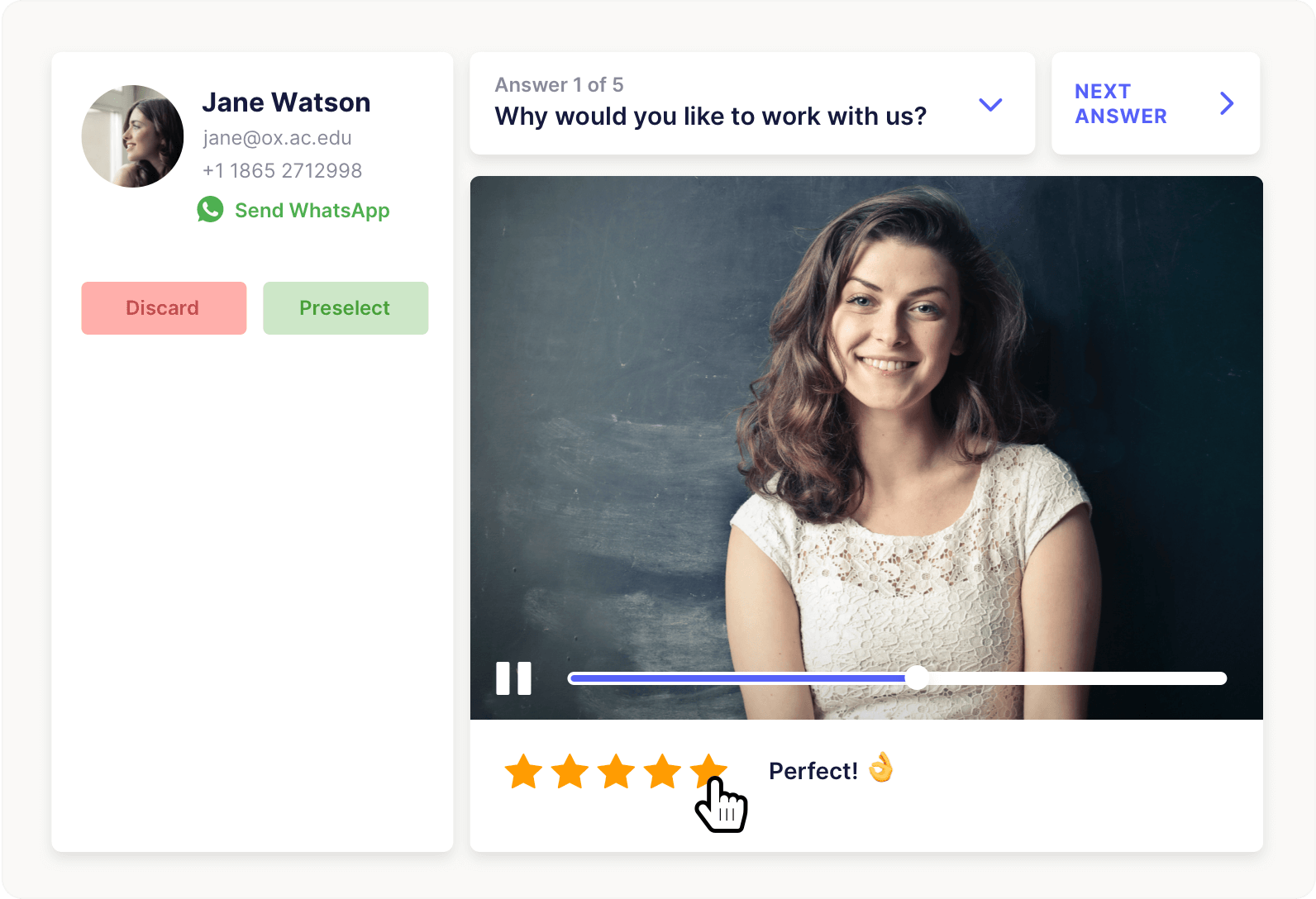
Hireflix helps make screening a more flexible part of the candidate engagement process. Instead of forcing every candidate into live coordination, asynchronous video interviews let them respond on their own time.
That makes the interview stage easier to complete and often feels more natural for digital-first candidates. You can also see Hireflix in action to understand how the workflow supports faster, lower-friction screening.
Want to see how Hireflix works in practice? Watch the demo to explore its features and workflow.
5. Establish a Candidate Attraction Plan Based on Location
Candidate engagement should not begin with one broad message for everyone. Different locations often respond to different channels, expectations, and employer messages. A strong recruitment strategy aligns attraction efforts with where candidates in that market actually spend time and how they discover roles.
Use channels that match the local audience
In some regions or role categories, LinkedIn may be useful. In others, Instagram, TikTok, or community-based channels may be more effective for engaging candidates.
Relying only on traditional job-posting channels can limit reach and weaken the connection with potential candidates who are already active elsewhere.
Tailor messaging to location and role type
It also helps to adapt messaging by geography and role type. Candidates in one market may care most about flexibility, while others may respond more to culture, stability, or growth.
When the message reflects local context, the candidate engagement process becomes more relevant and efficient. That can improve candidate quality while reducing wasted outreach.
6. Measure and Improve Candidate Engagement Over Time
Strong candidate engagement must be measured and refined. Otherwise, hiring teams may not realize where engagement weakens until applicants stop replying or acceptance rate starts to fall.
Track where engagement starts to drop
Track the points where candidates lose momentum. Look at response rates, interview completion, stage-to-stage drop off, candidate feedback, and how quickly candidates move after recruiter outreach. These signals can show whether the issue is communication, timing, or process friction.
Adjust tactics based on candidate behavior
Then use that information to improve. If candidates disappear after the first interview, the issue may be the interview process itself. If passive candidates rarely respond, your messaging may need work. If applicants complete one stage but not the next, the problem may be the transition between them.
This is where an effective candidate engagement strategy becomes more than instinct. It becomes a process of observing behavior, adjusting communication, and improving the recruitment journey over time.
Build a Stronger Candidate Engagement Strategy With Hireflix
The best candidate engagement strategies do not rely on one tactic. They combine proactive outreach, personalized communication, lower process friction, and a screening experience that keeps candidates moving instead of slowing them down.
That is where Hireflix fits. It supports candidate engagement at one of the most fragile points in the hiring process: early-stage screening. With asynchronous interviews and automated communication before and after the interview, Hireflix helps teams reduce scheduling friction, keep candidates informed, and move through screening with less manual effort.
If candidate drop off or interview coordination is hurting your hiring results, Hireflix is a practical way to create a smoother, more engaging candidate experience.
